
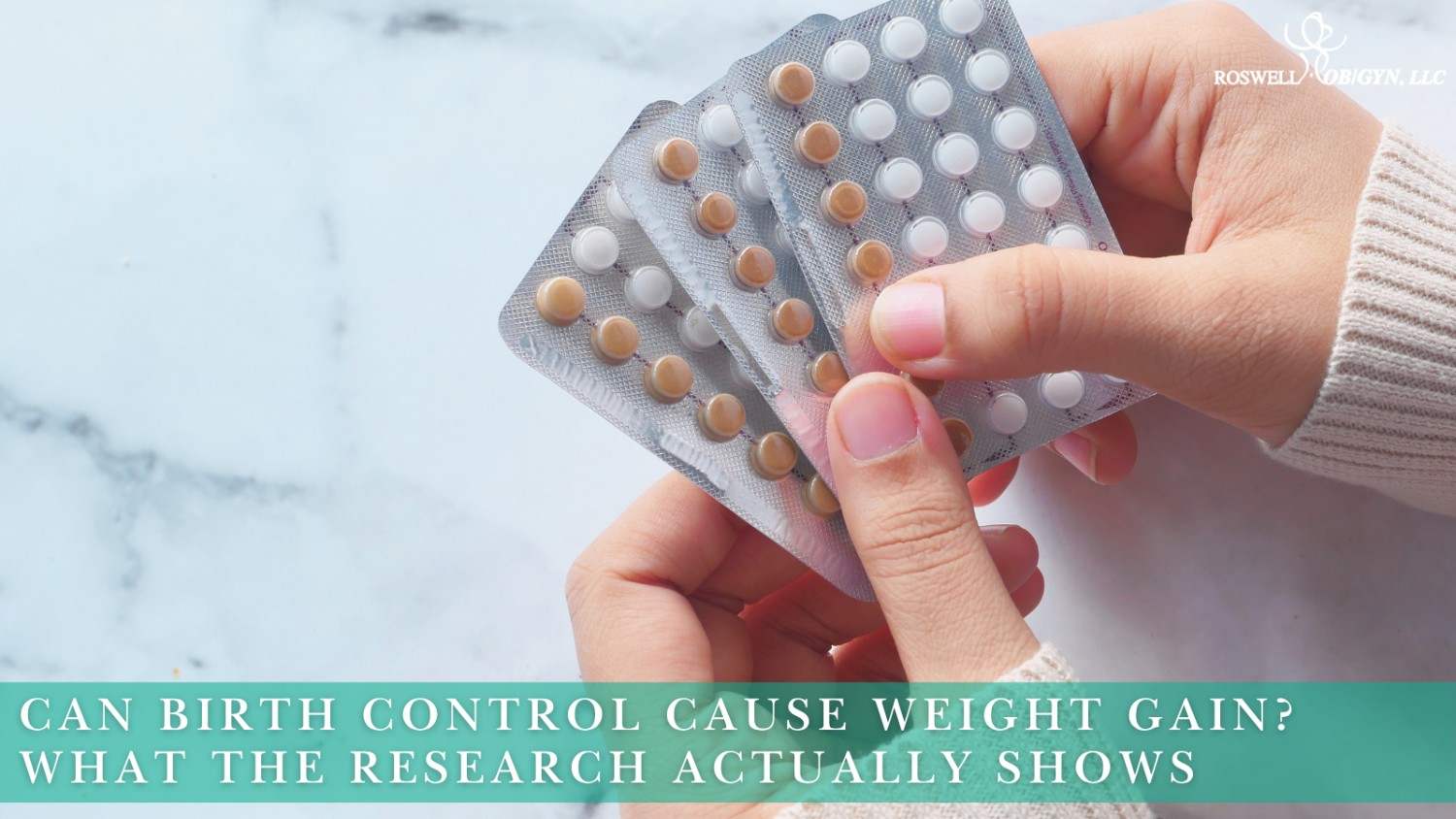
For most people, hormonal birth control does not cause meaningful or lasting weight gain. Large-scale reviews consistently show that combined hormonal methods, including the pill, patch and vaginal ring, are weight-neutral on average. The progestin-only pill, contraceptive implant and hormonal IUDs carry similarly little evidence of significant weight change. The DMPA injection (Depo-Provera) is the one exception, linked to an average gain of about 5 pounds in the first year. If you have que Read more
Adenomyosis: The Painful Period Condition Many Women Don’t Know They Have

Adenomyosis is a benign but often debilitating condition in which the tissue that normally lines the uterus grows into the muscular wall of the uterus. The misplaced tissue continues to act like a uterine lining each cycle, thickening, breaking down, and bleeding inside the muscle itself. The result is a uterus that becomes enlarged, tender, and inflamed, along with painful, heavy periods that often get worse over time. Adenomyosis is far more common than most patients realize, and many wome Read more
Uterine Polyps vs. Fibroids: What’s the Difference?

Uterine polyps and uterine fibroids are both common, noncancerous growths inside the uterus, and they often cause overlapping symptoms like abnormal bleeding or pelvic discomfort. The difference is what they are made of and how they behave. Polyps are soft overgrowths of the uterine lining (the endometrium) and most often cause unpredictable spotting or bleeding between periods. Fibroids are dense, muscular tumors that grow in or around the wall of the uterus and tend to cause heavy, prolong Read more
Can You Get a Mammogram While Breastfeeding?

Yes, you can safely get a mammogram while breastfeeding. The low-dose X-rays used in mammography are focused on the breast, do not enter the milk, and pose no risk to your baby. The bigger question for most nursing mothers is not whether the test is safe, but whether it is the right time. Milk-producing tissue is denser than non-lactating tissue, which can make routine screening mammograms harder to read. If you have a new lump, nipple change, or other concerning symptom, you should not dela Read more
Mammogram vs. Breast Ultrasound: Which Screening Is Right for You?
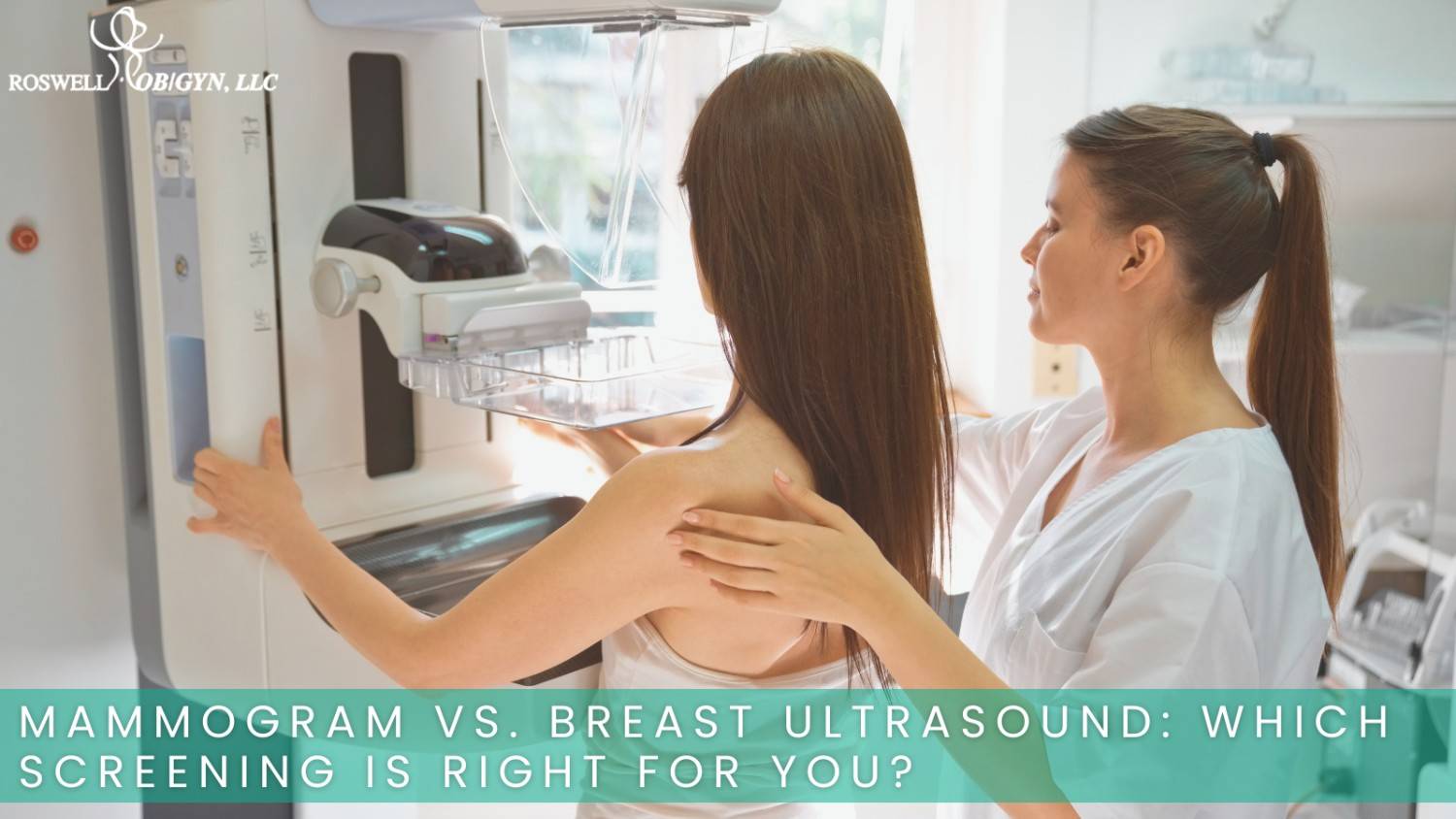
A mammogram and a breast ultrasound are not competing tests, they are complementary tools that work together to protect your breast health. A mammogram uses low-dose X-rays and remains the gold-standard screening for detecting early breast cancer, especially in women age 40 and older. A breast ultrasound uses sound waves and is most often used as a follow-up diagnostic test or as a supplemental screening for women with dense breast tissue. Our practice provides both imaging options as part o Read more
Types of Fibroids: Submucosal, Subserosal, and Intramural Explained

Uterine fibroids are non-cancerous growths that develop within or on the uterus, and their classification depends entirely on where in the uterine structure they grow. Submucosal, subserosal, and intramural fibroids each occupy a different layer of the uterus, and that location determines the symptoms a patient experiences, how those symptoms progress, and which treatment approach is most appropriate. Understanding the differences between these three types gives patients the clarity they nee Read more
Pap Smear vs. HPV Test: What’s the Difference and Do You Need Both?
If you have ever sat in an exam room and heard your provider mention both a Pap Smear and an HPV test, you may have wondered what the difference actually is and whether you really need both. They are collected the same way, done during the same visit, and both involve your cervix. But they are not the same test and they do not look for the same thing. A Pap Smear checks for abnormal cervical cells. An HPV test checks for the virus that can cause those cells to change. Understanding the di Read more
Myomectomy Recovery: What the First Six Weeks Look Like

A myomectomy removes uterine fibroids while preserving the uterus, and recovery unfolds differently depending on the surgical approach used and each patient's individual health profile. Most patients are discharged within one to three days for open procedures, or the same day for minimally invasive ones, but the real work of healing extends well beyond leaving the hospital. Knowing what to expect across the first six weeks helps patients prepare, set realistic expectations, and recognize whe Read more
Uterine Fibroids: Symptoms, Causes, and What to Do Next

Uterine fibroids are non-cancerous growths that develop in or on the uterus, and they are one of the most common gynecologic conditions affecting women of reproductive age. Many women have fibroids without knowing it, while others experience symptoms that interfere with daily life, menstrual health, and reproductive goals. Understanding what fibroids are, what causes them, and when to seek evaluation gives patients the information they need to make confident decisions about their care. What Read more
Foods to Avoid During Pregnancy: The Complete List
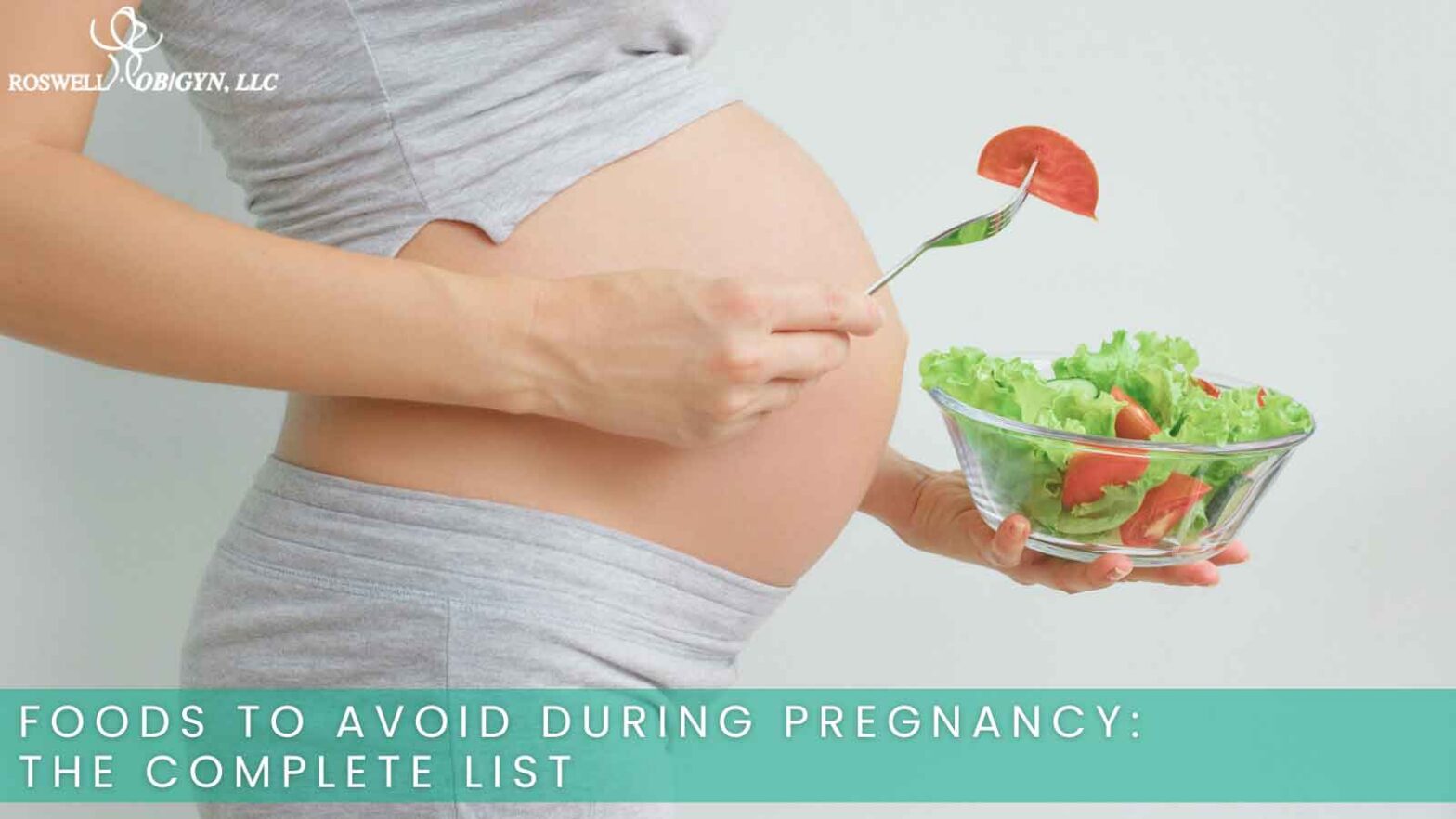
Knowing which foods to avoid during pregnancy protects both you and your developing baby from preventable infections and harmful exposures. Pregnancy changes how your immune system responds to bacteria and parasites, making you more vulnerable to foodborne illness. The primary risks come from Listeria, Salmonella, Toxoplasma and mercury, all of which can reach the fetus through the placenta. This guide covers the specific foods and beverages to skip, safer alternatives you can enjoy and p Read more