

Yes, but the odds remain low. Letrozole raises the chance of conceiving twins to approximately 3 to 5 percent, compared to a natural twin rate of about 1 percent. The increase happens because letrozole can stimulate the ovaries to mature and release more than one egg in a single cycle. If two eggs are fertilized, […]
Dental Care During Pregnancy: What’s Safe and What to Avoid
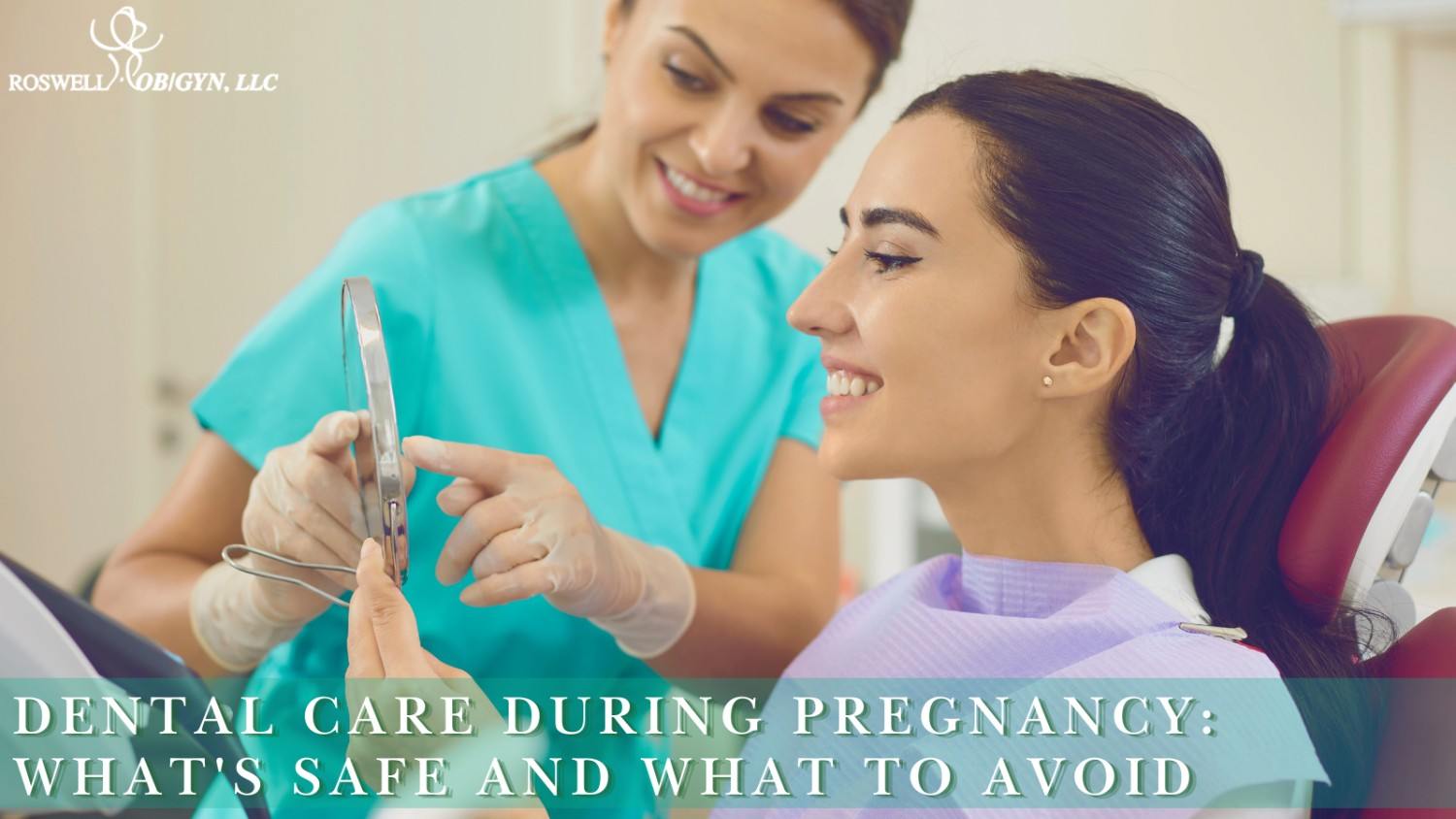
Pregnancy affects nearly every system in the body, and oral health is no exception. Hormonal shifts during pregnancy increase blood flow to the gums, making them more sensitive, more prone to swelling and quicker to react to plaque. Skipping dental care to be cautious can actually create more risk than keeping up with routine visits. […]
Group B Strep in Pregnancy: The Test Nobody Warns You About

Group B Streptococcus, or GBS, is a common bacteria found in the digestive and lower genital tracts of many healthy adults. Most people who carry it never know, because it causes no symptoms and poses no risk to the carrier. In pregnancy, the concern shifts. GBS can transfer to the baby during delivery, which is […]
Your Prenatal Visit Schedule: What Happens at Each

A standard prenatal care schedule runs monthly visits through week 28, biweekly visits from weeks 28 to 36, and weekly visits from week 36 until delivery. The timing of each appointment is not arbitrary. It maps to the milestones where your provider needs to assess growth, order specific screenings, and catch any changes before they […]
Swollen Feet During Pregnancy: When Is It Normal?

Mild swelling of the feet during pregnancy is normal and very common, especially in the second half of pregnancy. The medical term is edema, and it happens because your body produces about 50 percent more blood and fluid to support the baby, while your growing uterus puts pressure on the veins that return blood from […]
Cervical Cerclage: What It Is and Who Needs It

A cervical cerclage is a surgical procedure in which strong stitches or a band are placed around the cervix during pregnancy to keep it closed. It is used to support a cervix that is opening too early, which can cause second-trimester miscarriage or preterm birth. Most cerclages are placed between 12 and 14 weeks of […]
Pregnancy After 35: Understanding Your Real Risks

Pregnancy after 35 is more common than ever, and most pregnancies in this age group end with a healthy mother and a healthy baby. The medical term for becoming pregnant at 35 or older is advanced maternal age (AMA), a label that focuses on risk percentages rather than realistic outcomes. Some risks do increase modestly […]
Foods to Avoid During Pregnancy: The Complete List
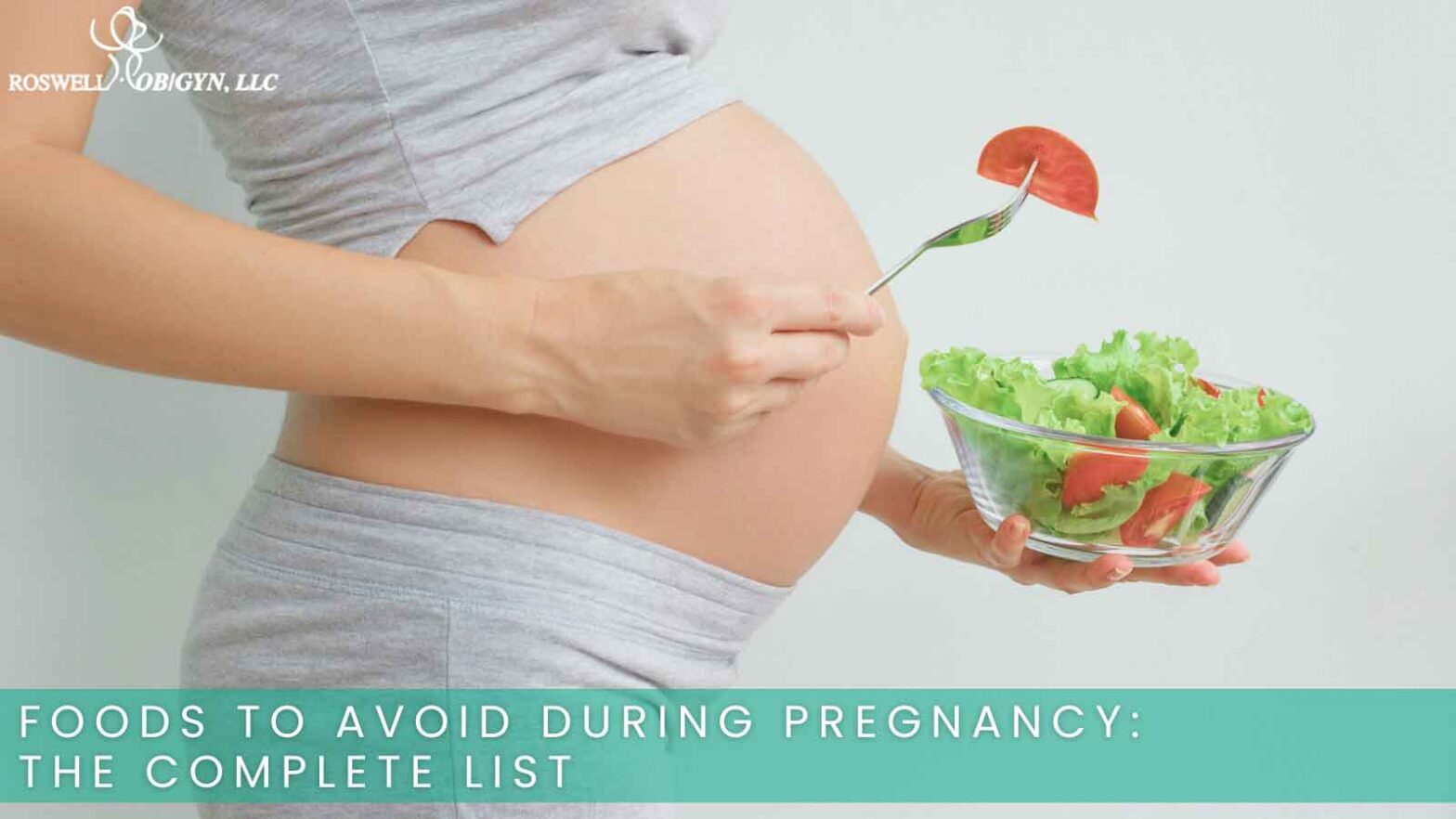
Knowing which foods to avoid during pregnancy protects both you and your developing baby from preventable infections and harmful exposures. Pregnancy changes how your immune system responds to bacteria and parasites, making you more vulnerable to foodborne illness. The primary risks come from Listeria, Salmonella, Toxoplasma and mercury, all of which can reach the fetus […]
Pelvic Floor Issues During Pregnancy: How to Prevent Them

Your pelvic floor during pregnancy supports the growing weight of your baby, placenta and amniotic fluid for 40 weeks. That sustained pressure, combined with hormonal changes that soften the muscles and ligaments in the pelvis, puts these muscles under more strain than at any other point in your life. Stress urinary incontinence affects roughly 54 […]
Pregnancy Weight Gain: How Much Is Normal by Trimester?
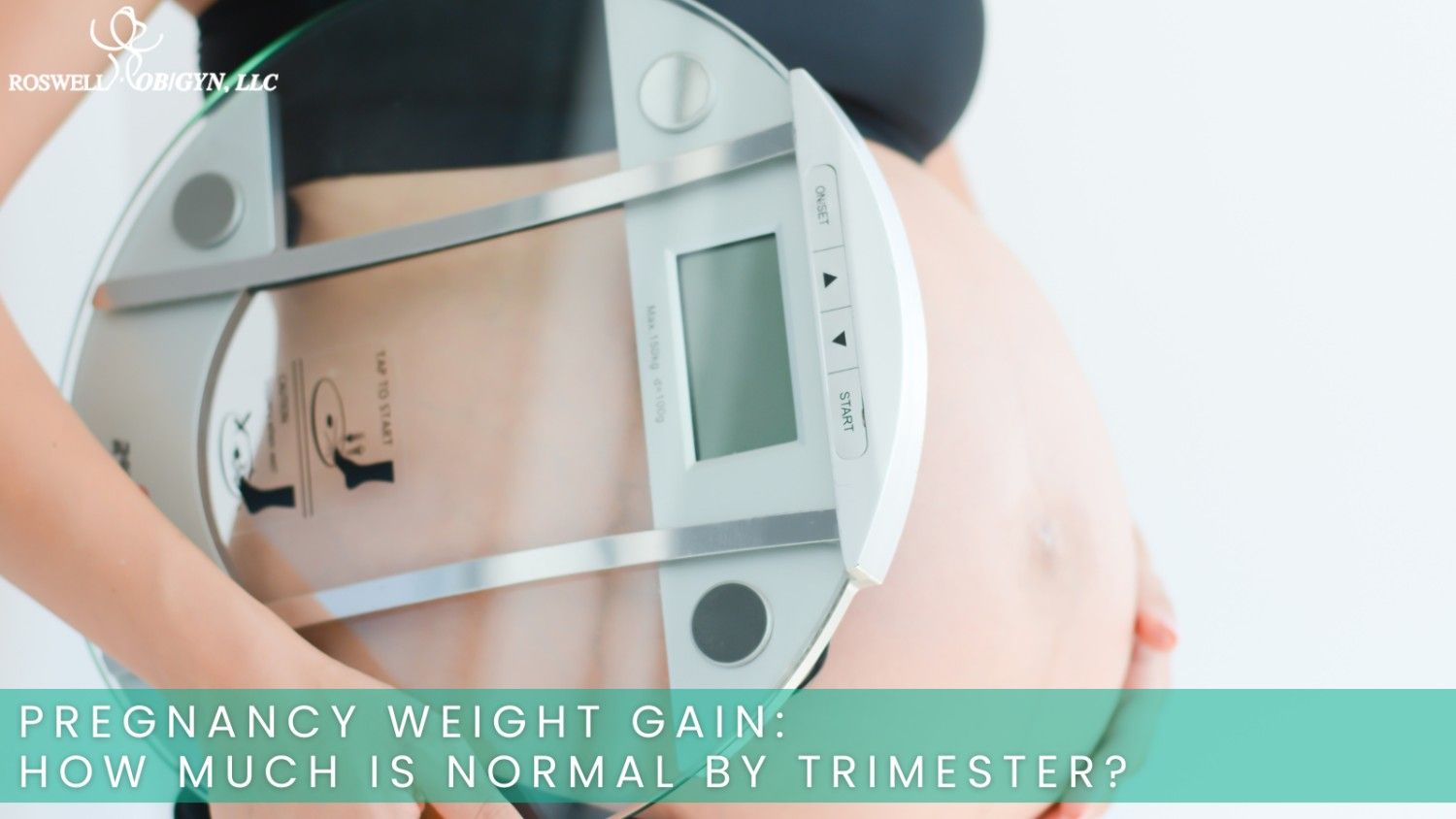
The recommended amount of pregnancy weight gain depends on your pre-pregnancy body mass index (BMI). ACOG and the Institute of Medicine (IOM) provide weight gain ranges rather than a single target number because every pregnancy is different. Your OBGYN calculates your BMI at your first prenatal visit and monitors your weight at every appointment after […]