
Combined hormone replacement therapy carries a small but measurable increase in breast cancer risk, while estrogen-only HRT does not show the same association. The type of HRT matters more than treating hormones as a single category. Combined therapy pairs estrogen with a synthetic progestin, and that progestin component is what drives the elevated risk. Estrogen-only […]
CIN 1, CIN 2, CIN 3: What These Cervical Cell Changes Mean

Cervical intraepithelial neoplasia, or CIN, describes abnormal cell changes on the surface of the cervix detected through a Pap smear or colposcopy. There are three grades (CIN 1, CIN 2, and CIN 3), and each one reflects how much of the cervical tissue lining shows abnormal growth. A CIN diagnosis is not a cancer diagnosis, […]
Pelvic Floor Therapy After a C-Section: Do You Still Need It?

Yes, and most new parents do not realize it. Pelvic floor therapy after a C-section matters just as much as it does after a vaginal birth, because nine months of pregnancy stretches and weakens the pelvic floor no matter how the baby is delivered. A C-section then layers major abdominal surgery on top of that, […]
Adenomyosis: The Painful Period Condition Many Women Don’t Know They Have

Adenomyosis is a benign but often debilitating condition in which the tissue that normally lines the uterus grows into the muscular wall of the uterus. The misplaced tissue continues to act like a uterine lining each cycle, thickening, breaking down, and bleeding inside the muscle itself. The result is a uterus that becomes enlarged, tender, […]
Can You Get a Mammogram While Breastfeeding?

Yes, you can safely get a mammogram while breastfeeding. The low-dose X-rays used in mammography are focused on the breast, do not enter the milk, and pose no risk to your baby. The bigger question for most nursing mothers is not whether the test is safe, but whether it is the right time. Milk-producing tissue […]
Mammogram vs. Breast Ultrasound: Which Screening Is Right for You?
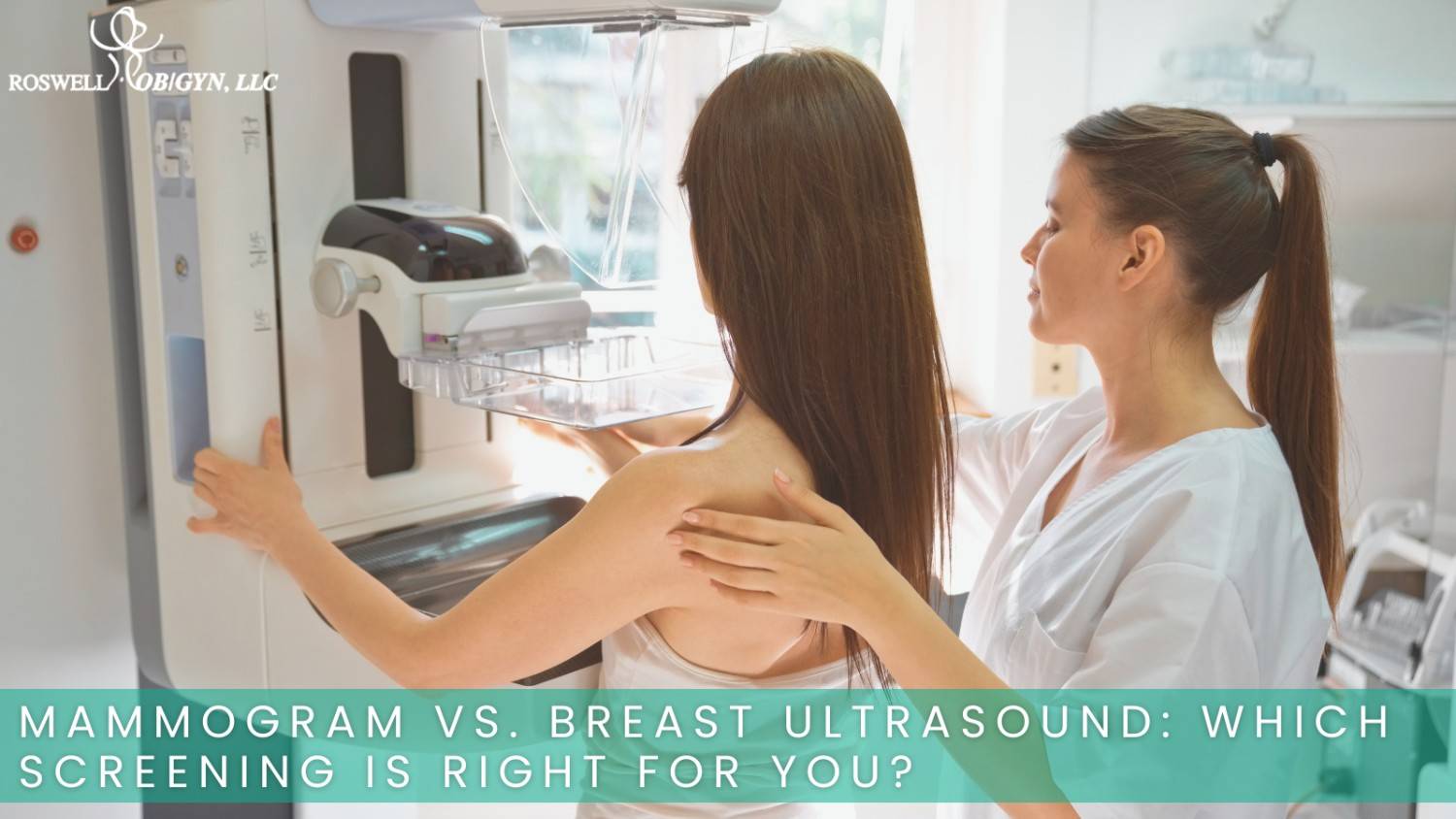
A mammogram and a breast ultrasound are not competing tests, they are complementary tools that work together to protect your breast health. A mammogram uses low-dose X-rays and remains the gold-standard screening for detecting early breast cancer, especially in women age 40 and older. A breast ultrasound uses sound waves and is most often used […]
Types of Fibroids: Submucosal, Subserosal, and Intramural Explained

Uterine fibroids are non-cancerous growths that develop within or on the uterus, and their classification depends entirely on where in the uterine structure they grow. Submucosal, subserosal, and intramural fibroids each occupy a different layer of the uterus, and that location determines the symptoms a patient experiences, how those symptoms progress, and which treatment approach […]
Pap Smear vs. HPV Test: What’s the Difference and Do You Need Both?

If you have ever sat in an exam room and heard your provider mention both a Pap Smear and an HPV test, you may have wondered what the difference actually is and whether you really need both. They are collected the same way, done during the same visit, and both involve your cervix. But they […]
Myomectomy Recovery: What the First Six Weeks Look Like

A myomectomy removes uterine fibroids while preserving the uterus, and recovery unfolds differently depending on the surgical approach used and each patient’s individual health profile. Most patients are discharged within one to three days for open procedures, or the same day for minimally invasive ones, but the real work of healing extends well beyond leaving […]
Uterine Fibroids: Symptoms, Causes, and What to Do Next

Uterine fibroids are non-cancerous growths that develop in or on the uterus, and they are one of the most common gynecologic conditions affecting women of reproductive age. Many women have fibroids without knowing it, while others experience symptoms that interfere with daily life, menstrual health, and reproductive goals. Understanding what fibroids are, what causes them, […]