
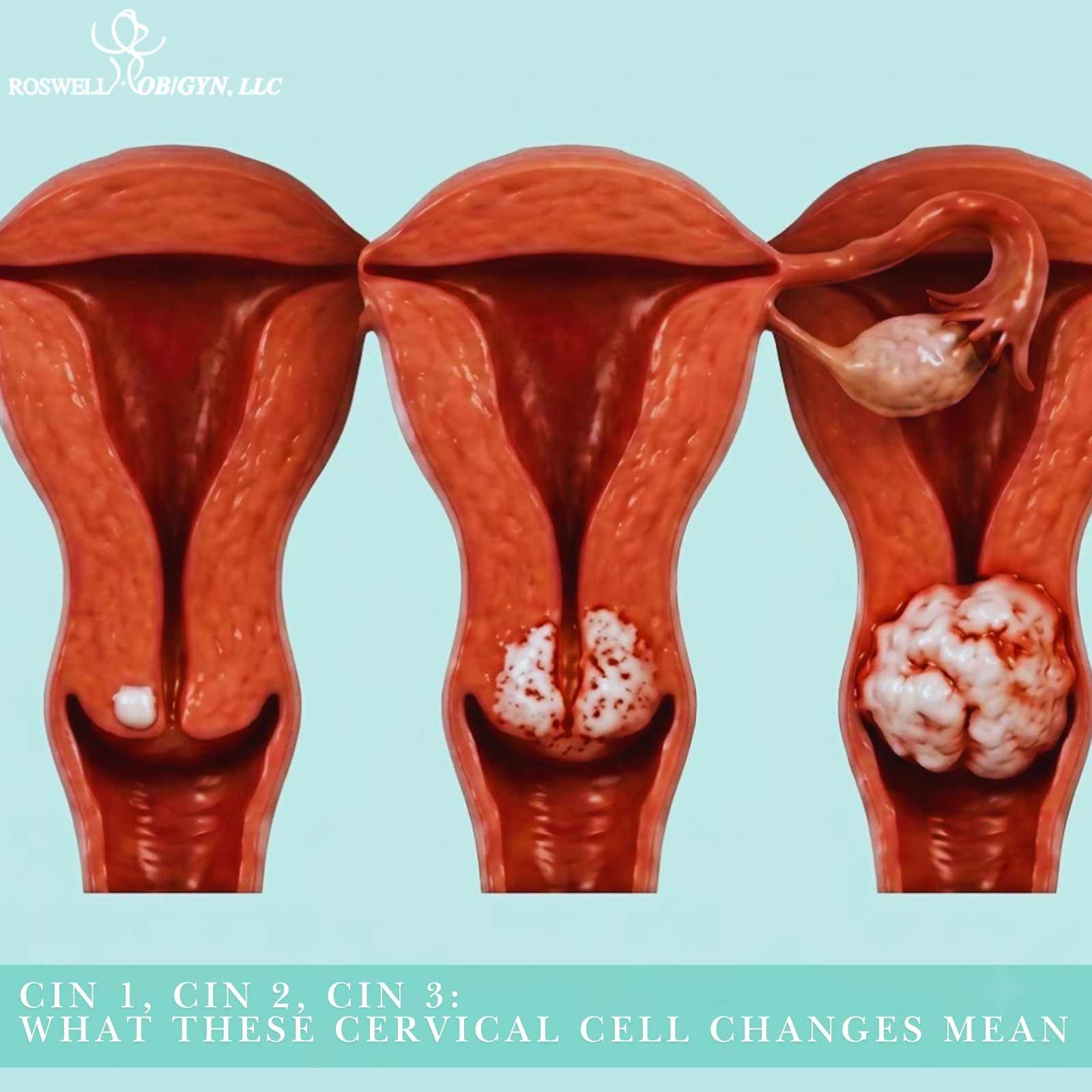
Cervical intraepithelial neoplasia, or CIN, describes abnormal cell changes on the surface of the cervix detected through a Pap smear or colposcopy. There are three grades (CIN 1, CIN 2, and CIN 3), and each one reflects how much of the cervical tissue lining shows abnormal growth. A CIN diagnosis is not a cancer diagnosis, but it does mean those cells need attention. Understanding what your grade means, and what happens next, can make the whole process feel much more manageable.
What Is Cervical Intraepithelial Neoplasia?
Cervical intraepithelial neoplasia refers to the presence of abnormal cells on the ectocervix, the outer surface of the cervix that is accessible during a pelvic exam. These changes are almost always linked to a persistent infection with high-risk strains of human papillomavirus, commonly known as HPV. The virus disrupts the normal growth cycle of cervical cells, causing them to look and behave differently under a microscope.
CIN is graded on a scale of 1 to 3 based on how deep into the cervical lining the abnormal cells extend. Grade 1 means the changes are shallow and mild. Grade 3 means they span nearly the full thickness of the tissue layer. None of the three grades mean the abnormal cells have broken through the cervical lining itself, which is what separates CIN from invasive cervical cancer. That distinction is the clearest line between a pre-cancerous finding and an invasive one.
Most CIN findings come from routine cervical cancer screening, either through a Pap smear that returns abnormal results or a co-test that combines a Pap smear with HPV testing. A follow-up colposcopy, which uses a magnifying instrument to examine the cervix more closely, is often performed to get a clearer picture and collect a small tissue sample for biopsy.
ALSO READ: Adenomyosis: The Painful Period Condition Many Women Don’t Know They Have
What Is the Difference Between CIN 1, CIN 2, and CIN 3?
The grade assigned to a CIN finding tells your provider how widespread the abnormal cell changes are within the cervical epithelium, the tissue lining that coats the surface of the cervix.
CIN 1 (Mild Dysplasia)
CIN 1 means abnormal changes are limited to the lower third of the cervical tissue lining. The cells look somewhat irregular under a microscope, but most of the tissue layer remains normal. This is the mildest form of cervical cell change, and the body’s own immune system clears it without treatment in the majority of cases. Regression rates for CIN 1 are high, particularly in younger patients, and most guidelines support active surveillance rather than immediate intervention. Surveillance typically involves repeat Pap and HPV testing at defined intervals, often at 12 months, to confirm the cells are returning to normal.
CIN 2 (Moderate Dysplasia)
With CIN 2, abnormal changes extend through up to two-thirds of the cervical lining. This grade sits in a middle range. It can regress on its own, particularly in people under 25, but it carries a meaningful progression risk if left unmonitored. Treatment decisions for CIN 2 take into account age, reproductive plans, and personal health history. Younger patients who wish to preserve fertility may be offered close surveillance with repeat colposcopy and biopsies. Others may move directly to treatment. Your provider will walk through the reasoning and explain which direction fits your situation best.
CIN 3 (Severe Dysplasia / Carcinoma In Situ)
CIN 3 means abnormal changes occupy nearly the full thickness of the cervical tissue lining. This is the most advanced pre-cancerous grade, and while it is not cancer, the risk of progression over time is higher than with earlier grades. Treatment is strongly recommended for CIN 3. The goal is to remove or destroy the abnormal cells before they have any opportunity to progress further. Both excisional and ablative procedures are used, depending on lesion characteristics and individual circumstances.
ALSO READ: Types of Fibroids: Submucosal, Subserosal, and Intramural Explained
How Is CIN Treated?
Treatment for CIN depends on the grade, your age, your reproductive goals, and how the abnormal cells look during colposcopic examination. Not every finding requires immediate intervention, and not every intervention looks the same.
Active Surveillance
Active surveillance means monitoring the cervix with scheduled follow-up testing rather than performing a procedure right away. Active surveillance applies to most CIN 1 findings and to select CIN 2 cases in younger patients. Surveillance schedules typically involve Pap smear and HPV co-testing at 12-month intervals, with colposcopy if results remain abnormal at the next visit. Many low-grade changes resolve on their own, and avoiding unnecessary procedures matters, especially for patients planning a future pregnancy.
Excisional Procedures
LEEP, or loop electrosurgical excision procedure, uses a thin wire loop carrying a low-voltage electrical current to remove a small amount of cervical tissue. The procedure is typically performed in an office or outpatient setting under local anesthesia and takes only a few minutes. Cone biopsy removes a cone-shaped section of cervical tissue and may be preferred when the lesion extends into the cervical canal or when a larger specimen is needed for evaluation.
Ablative Procedures
Ablative treatments destroy abnormal tissue rather than removing it. Cryotherapy applies extreme cold to freeze abnormal cells, while laser ablation uses focused light energy to burn away the affected tissue. These methods are used in carefully selected cases where the entire lesion is visible and there is no concern about cells extending into the canal. Because no tissue is removed for pathologic review, ablative procedures are reserved for patients whose colposcopy findings meet specific criteria.
What Happens After Treatment?
Treatment does not immediately end the monitoring process. Follow-up care after a LEEP, cone biopsy, or ablative procedure continues beyond the day of treatment, and those scheduled appointments are where long-term outcomes are protected.
Most providers recommend a test of cure at 12 months following treatment, which typically combines a Pap smear with HPV co-testing. If both return normal, the interval between screenings can gradually extend. If HPV persists or the Pap smear shows residual or recurrent abnormality, colposcopy may be repeated. Recurrence is possible after treatment, which is why ongoing surveillance, not just the procedure itself, is central to long-term cervical health management.
The underlying HPV infection also needs attention. High-risk HPV strains drive most cervical cell changes, and the virus can persist even after abnormal tissue is removed. Patients who have not yet received the HPV vaccine should bring it up at their next appointment, since it protects against the strains most commonly linked to cervical pre-cancer and cancer. Learn more about the role HPV plays in cervical cell changes by reading our post on HPV and cervical dysplasia.
Schedule Your Cervical Health Appointment at Roswell Ob/Gyn, LLC
A CIN diagnosis can feel unsettling, but it means the screening system worked exactly as it should, catching a change early when options are clear and outcomes are good. The team at Roswell Ob/Gyn, LLC provides cervical cancer screening, colposcopy, LEEP procedures, and ongoing follow-up care at locations in Alpharetta, Atlanta, Canton and Cumming, Georgia. If you have questions about an abnormal Pap smear result or a recent CIN diagnosis, contact the practice to schedule an appointment.
Frequently Asked Questions
Does a CIN diagnosis mean I have cervical cancer?
No. CIN describes abnormal changes to cervical cells, not cancer. None of the three grades (CIN 1, CIN 2, or CIN 3) involve cells that have broken through the cervical lining and spread to surrounding tissue. CIN 3 carries the highest pre-cancer risk, but it is still a pre-cancerous condition, and treatment is highly effective at preventing progression.
Can CIN go away without treatment?
CIN 1 clears on its own in the majority of cases, often within 12 to 24 months, as the immune system suppresses the underlying HPV infection. CIN 2 can also regress, particularly in younger patients, though the odds are lower than with CIN 1. CIN 3 is less likely to resolve without intervention, and treatment is strongly recommended when this grade is confirmed on biopsy.
How is CIN diagnosed?
CIN is diagnosed through a combination of cervical cancer screening and follow-up testing. An abnormal Pap smear or a positive high-risk HPV test typically triggers a referral for colposcopy. During colposcopy, the cervix is examined under magnification and a biopsy is taken from any areas that look abnormal. The biopsy results confirm the grade and guide treatment planning.
Is LEEP the only treatment for CIN?
LEEP is one of the most common treatments for high-grade CIN, but it is not the only option. Cone biopsy, cryotherapy and laser ablation are also used depending on the grade, the size and location of the lesion and individual patient factors. Your provider will review your colposcopy and biopsy findings and recommend the approach that fits your specific situation.
Will CIN treatment affect my ability to get pregnant?
Most patients who undergo LEEP or cone biopsy go on to have healthy pregnancies. There is some evidence that excisional procedures can modestly affect cervical length, which may be a consideration for patients at higher risk for preterm birth. If you are planning a pregnancy, sharing that goal with your provider before any procedure allows them to factor it into the treatment approach and any monitoring needed afterward.
How often do I need follow-up after a CIN diagnosis?
Follow-up frequency depends on the grade and on the treatment path taken. CIN 1 managed with surveillance typically involves repeat co-testing at 12 months. After treatment for CIN 2 or CIN 3, a test of cure at 12 months is standard, followed by extended intervals if results return to normal. Your provider will outline a follow-up schedule tailored to your results.