

Sleep quality during pregnancy has a direct impact on both maternal wellness and fetal development, as evidenced by measurable physiological changes. Your sleeping position becomes a crucial factor influencing blood circulation, oxygen delivery to your baby, and overall comfort throughout each trimester. Understanding how different sleep positions affect pregnancy health empowers you to make informed choices that support optimal outcomes. At the same time, OBGYN specialists consistently e Read more
How Fertility Changes with Age: Facts Every Woman Should Know

Your age plays the single most crucial role in your ability to conceive and carry a healthy pregnancy to term. Understanding how fertility naturally shifts over time empowers you to make informed decisions about your reproductive future. Knowing what happens to your body as you age gives you the knowledge to take control of your fertility timeline with confidence and clarity, and consulting with a gynecologist ensures you receive personalized guidance based on your unique circumstances. How Read more
Thyroid Screening During Prenatal Care: Why It Matters
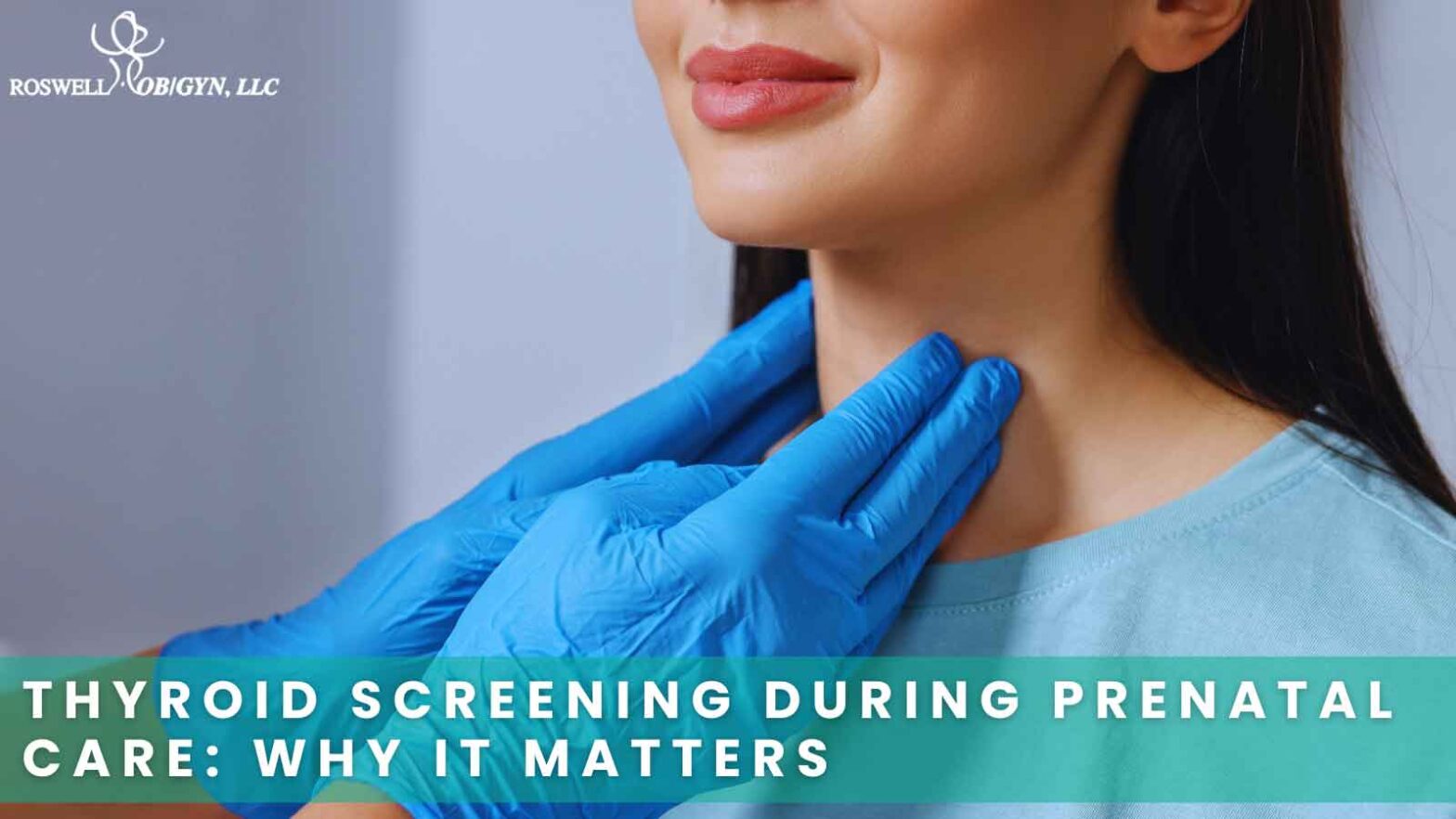
Your thyroid might be small, but during pregnancy, it takes on a big job. This butterfly-shaped gland helps regulate hormones that support your baby’s brain development, growth, and your own energy and wellbeing. When thyroid function is off balance, it can quietly affect fertility, increase risks during pregnancy, and even impact your baby’s health after birth. That’s why more OBGYN specialists now recommend thyroid screening as part of routine prenatal care. Appropriate screeni Read more
First Prenatal Care Visit Checklist: Questions to Ask Your OBGYN

Seeing that positive pregnancy test can feel like stepping into uncharted territory. Your mind probably races with questions about what comes next, what to expect, and how to ensure the healthiest possible pregnancy. That first appointment is your gateway to answers, guidance, and peace of mind. Having the right questions ready transforms this visit into a robust foundation for your entire prenatal care journey. Preparing for Visit Success Proper preparation transforms your prenatal cli Read more
At-Home STD Test Kits: Pros, Cons, and Reliability

At-home STD testing has revolutionized sexual health screening by offering women privacy and convenience that traditional clinic visits can't always provide. These kits serve as an accessible entry point for women who might otherwise delay testing, but understanding their capabilities and limitations remains crucial for making informed health decisions. While home testing offers valuable benefits, knowing when these tests are practical and when visiting an STD clinic becomes necessary ensure Read more
Understanding and Managing Endometriosis Pain: Beyond the Basics
Endometriosis affects approximately 10% of reproductive-age women, yet many experience years of dismissed symptoms before receiving a proper diagnosis and treatment. You deserve comprehensive care that addresses not just your immediate pain but also the complex ways this condition impacts your daily life, relationships, and long-term health goals. Modern gynecological services offer evidence-based approaches that can significantly enhance your quality of life, while specialized treatments provid Read more
Travel and Pregnancy: When Is It Safe to Fly or Drive Long Distances?

Pregnancy brings many questions about maintaining your everyday activities, and travel often tops the list of concerns. The good news is that most expectant mothers can travel safely throughout their pregnancy with proper planning and medical guidance. Understanding the optimal timing, safety protocols, and individual risk factors helps you make informed decisions about air travel and long-distance driving during this special time. Consulting with your OBGYN before making travel plans ens Read more
Heavy Periods: Understanding the “Why” and Knowing When to Seek Care
Heavy menstrual bleeding (menorrhagia) affects about 1 in 3 women during their reproductive years. Often dismissed as "just part of being a woman," excessive bleeding can disrupt daily life, causing fatigue and missed activities. Recognizing symptoms of heavy periods early allows you to get timely OBGYN care, preventing complications like anemia and uncovering underlying health conditions. Understanding what's normal and what isn't helps protect your overall health and quality of life. What Mak Read more
Can Men Get a Mammogram?
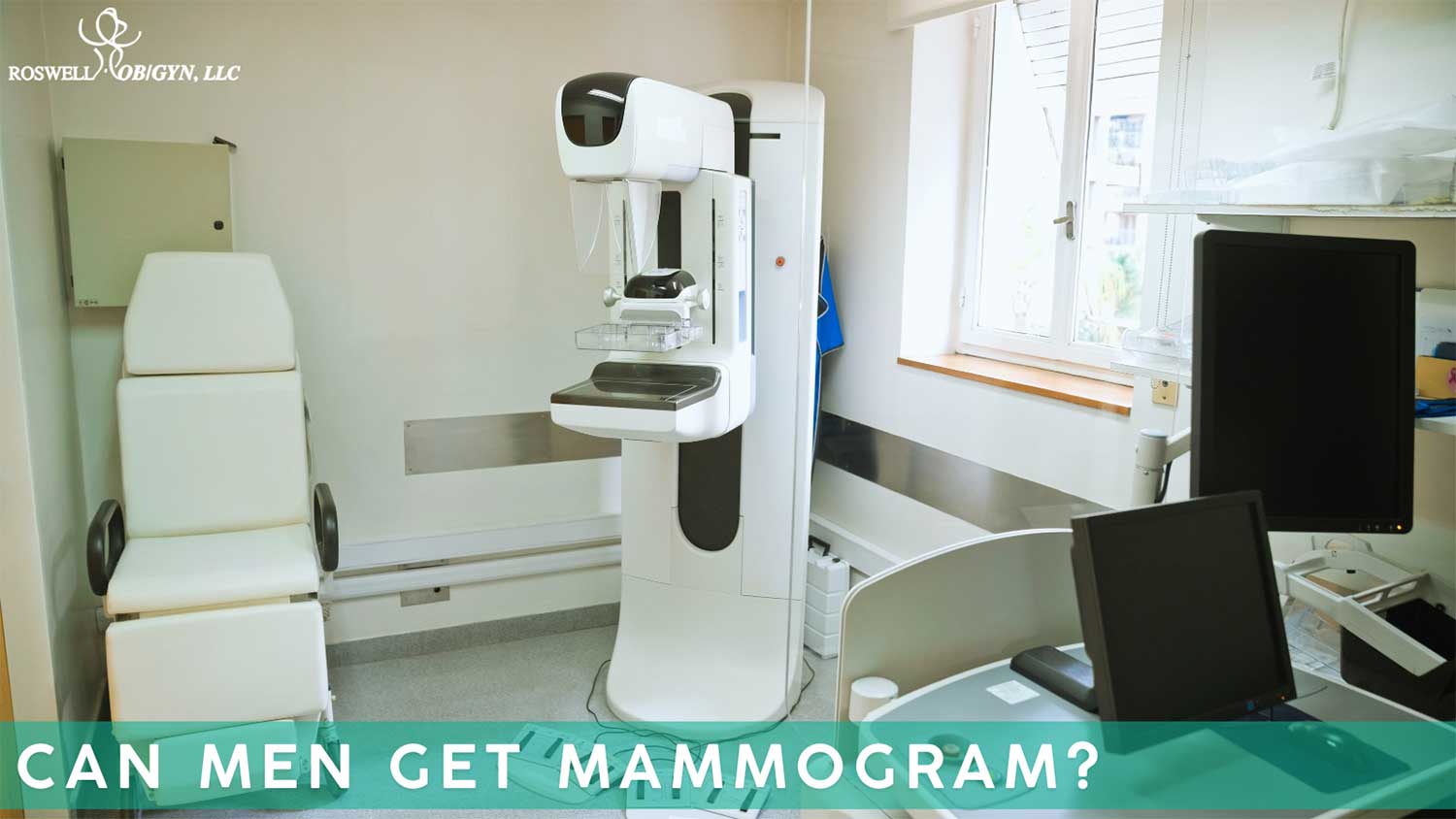
Mammograms are a well-known tool for detecting breast cancer in women, but they are also an essential diagnostic tool for men. While male breast cancer is rare, certain risk factors such as a family history of breast cancer, genetic mutations like BRCA, or the presence of suspicious symptoms may make mammography a critical part of a man’s healthcare. When these factors are present, a mammogram can provide the diagnostic precision needed to detect abnormalities early, ensuring timely treatment Read more
Pelvic Organ Prolapse: Signs and Solutions
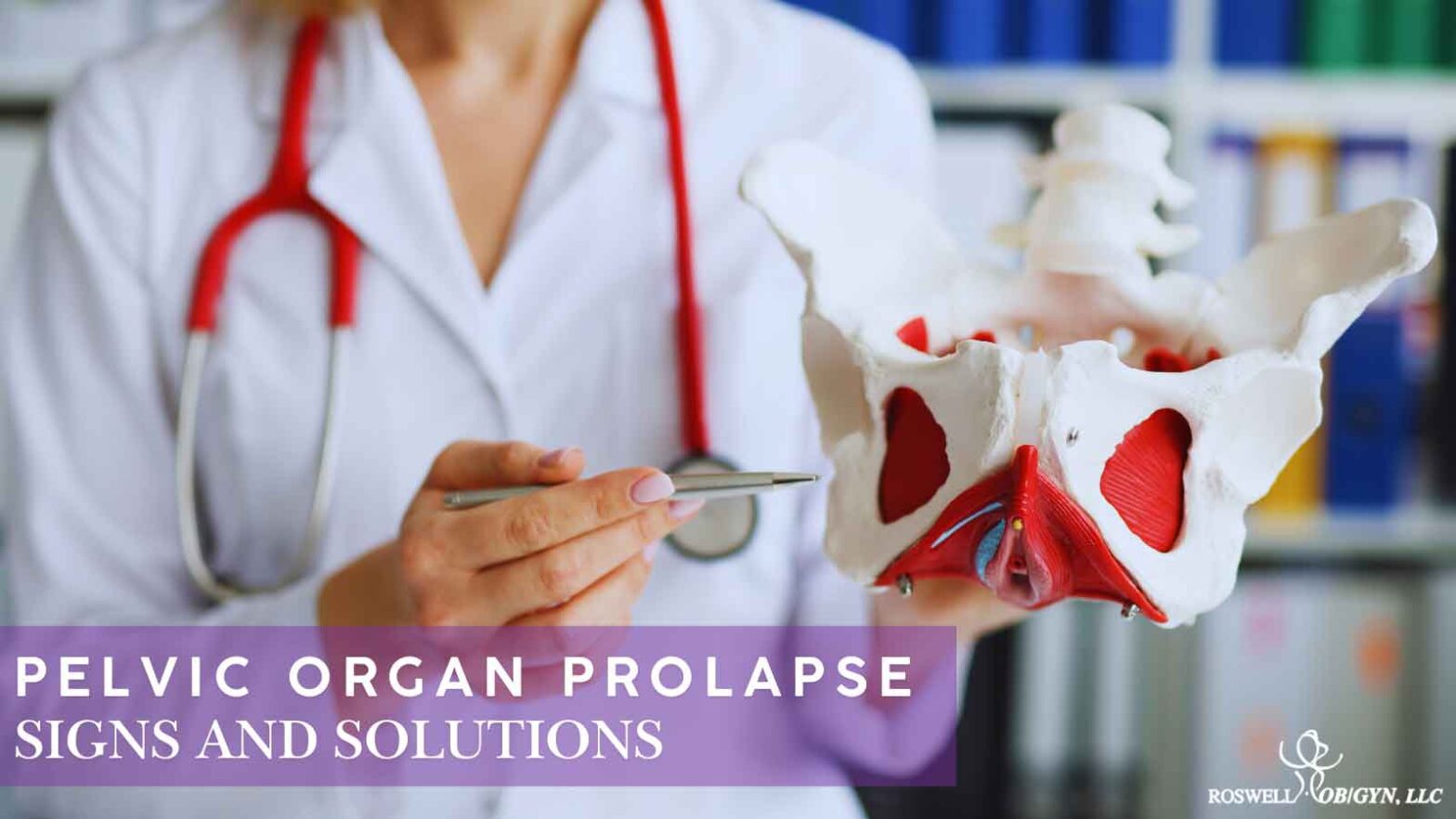
Pelvic organ prolapse is a common condition that affects women at various life stages, particularly after childbirth or during menopause. It occurs when the pelvic floor muscles and connective tissues weaken, allowing organs like the bladder, uterus, or rectum to shift out of place. Symptoms may include pelvic pressure, a sensation of vaginal bulging, urinary incontinence, or difficulty with bowel movements. Early recognition of these signs is essential for preventing progression and main Read more