

Human papillomavirus (HPV) infection is the primary cause of cervical dysplasia, a condition where abnormal cells develop on the cervix. Understanding your personal risk factors helps you take proactive steps to protect your cervical health through routine screenings and preventive measures. Your OBGYN can assess your individual risk and recommend an appropriate screening schedule based […]
The Importance of Chlamydia and Gonorrhea Screening for Young Women

Sexually active young women face higher risks for chlamydia and gonorrhea infections than any other age group. These bacterial infections often develop without noticeable symptoms, making routine STD testing the only reliable way to detect them early. When caught through regular chlamydia screening and gonorrhea screening, both infections respond well to simple antibiotic treatment. Left […]
Understanding Vulvodynia: Causes and Treatment Options

Chronic vulvar pain affects many of us, yet it often goes undiagnosed for years. Vulvodynia is a complex condition characterized by persistent discomfort in the vulvar area (the external part of the genital region) without an identifiable cause like infection or skin disease. If you experience ongoing vulvar discomfort, talking with an OBGYN can help […]
Genetic Counseling Before Pregnancy: Is It Right for You?
Many high-risk pregnancies can be identified before conception through genetic evaluation. Pre-pregnancy planning involves more than taking prenatal vitamins or scheduling doctor visits. Evaluating potential genetic risks early can guide family planning decisions and help ensure a healthier pregnancy. Genetic counseling provides insight into hereditary conditions, carrier status, and reproductive options so you can make […]
Managing Chronic Pelvic Pain: Tips from Your OBGYN
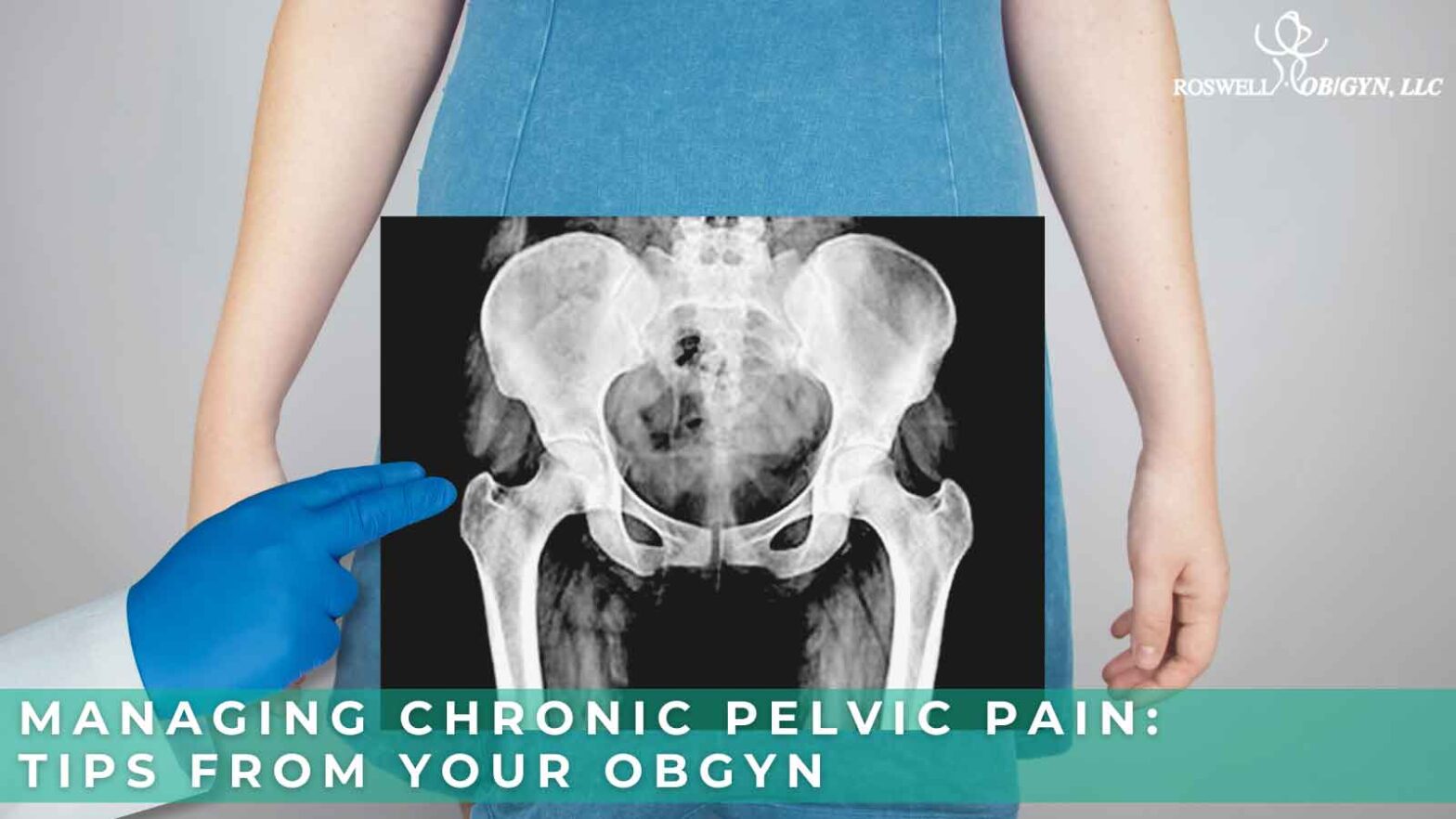
Persistent pelvic pain lasting six months or longer affects many women. Recognizing when symptoms warrant medical attention and understanding available treatment options helps you make informed decisions about your care. Many causes of pelvic pain respond well to early, targeted treatment. Understanding what’s behind your discomfort and working with your OBGYN can help you find […]
Early Signs of Ovarian Cancer: What Every Woman Should Watch For
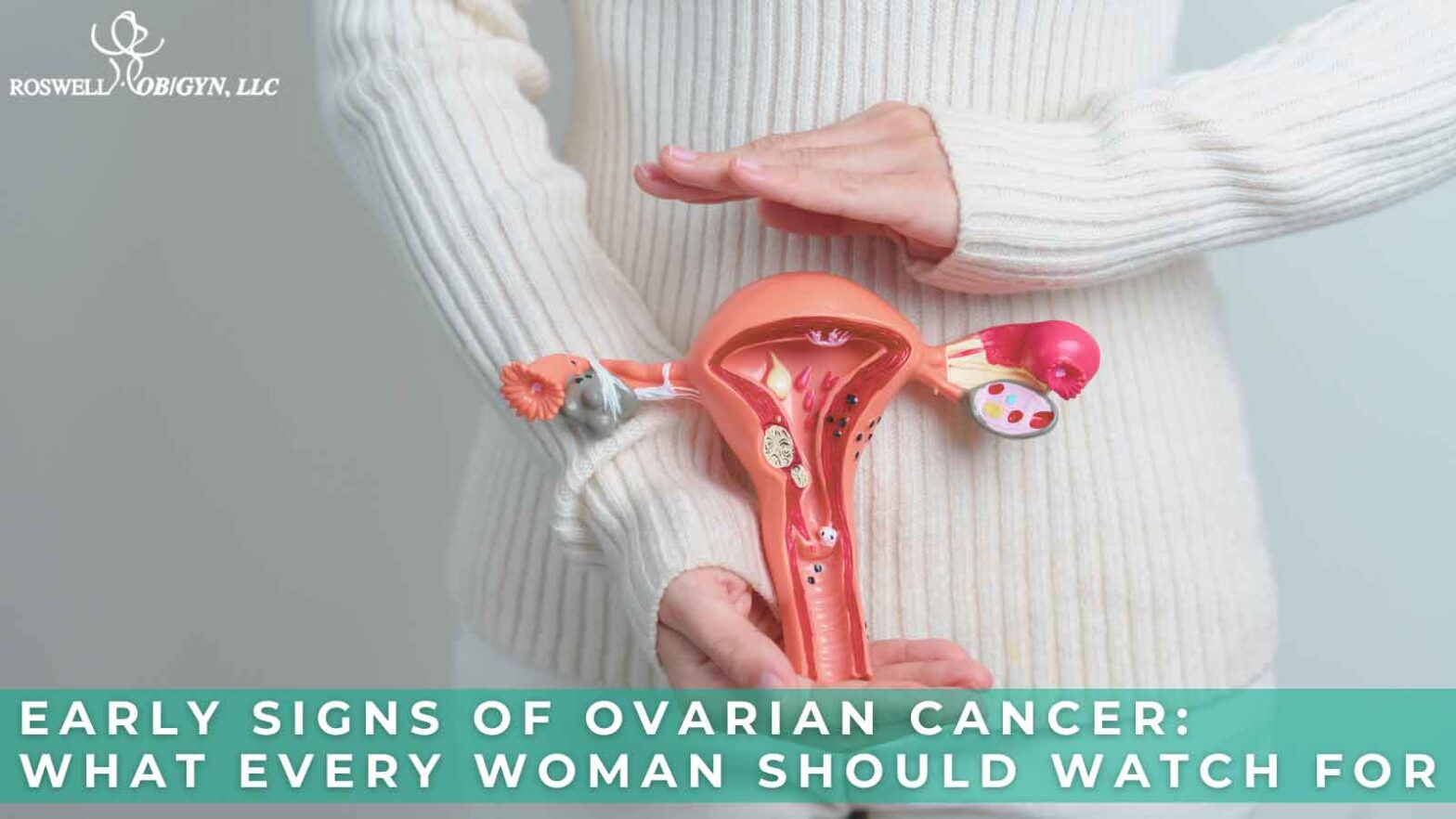
Understanding your body and recognizing changes in your health allows you to have informed conversations with your healthcare provider about any concerns. Some symptoms associated with ovarian health issues can resemble common digestive discomfort or routine changes, making awareness an essential part of your overall wellness. Your OBGYN partners with you in monitoring your gynecological […]
Thyroid Screening During Prenatal Care: Why It Matters
Your thyroid might be small, but during pregnancy, it takes on a big job. This butterfly-shaped gland helps regulate hormones that support your baby’s brain development, growth, and your own energy and wellbeing. When thyroid function is off balance, it can quietly affect fertility, increase risks during pregnancy, and even impact your baby’s health after […]
First Prenatal Care Visit Checklist: Questions to Ask Your OBGYN

Seeing that positive pregnancy test can feel like stepping into uncharted territory. Your mind probably races with questions about what comes next, what to expect, and how to ensure the healthiest possible pregnancy. That first appointment is your gateway to answers, guidance, and peace of mind. Having the right questions ready transforms this visit into […]
At-Home STD Test Kits: Pros, Cons, and Reliability

At-home STD testing has revolutionized sexual health screening by offering women privacy and convenience that traditional clinic visits can’t always provide. These kits serve as an accessible entry point for women who might otherwise delay testing, but understanding their capabilities and limitations remains crucial for making informed health decisions. While home testing offers valuable benefits, […]
Understanding and Managing Endometriosis Pain: Beyond the Basics

Endometriosis affects approximately 10% of reproductive-age women, yet many experience years of dismissed symptoms before receiving a proper diagnosis and treatment. You deserve comprehensive care that addresses not just your immediate pain but also the complex ways this condition impacts your daily life, relationships, and long-term health goals. Modern gynecological services offer evidence-based approaches that […]