
Knowing which foods to avoid during pregnancy protects both you and your developing baby from preventable infections and harmful exposures. Pregnancy changes how your immune system responds to bacteria and parasites, making you more vulnerable to foodborne illness. The primary risks come from Listeria, Salmonella, Toxoplasma and mercury, all of which can reach the fetus through the placenta.
This guide covers the specific foods and beverages to skip, safer alternatives you can enjoy and practical pregnancy food safety habits for your kitchen. Your OBGYN can answer questions about your specific diet during prenatal care visits and help you build a meal plan that supports a healthy pregnancy.
Why Pregnancy Increases Your Risk of Foodborne Illness
Pregnancy suppresses parts of the immune system to prevent the body from rejecting the developing baby. That suppression also makes it harder to fight off bacteria and parasites that would normally cause mild or no symptoms in a healthy adult. Each of the major foodborne pathogens affects pregnancy differently:
- Listeria can cross the placenta and infect the fetus directly, increasing the risk of miscarriage, preterm delivery and stillbirth. Pregnant women are about 10 times more likely to develop listeriosis than the general population.
- Salmonella causes fever, vomiting and diarrhea that can lead to dehydration and uterine cramping. In rare cases, severe infection may contribute to preterm labor.
- Toxoplasma is a parasite found in undercooked meat and contaminated soil. Infection during pregnancy can damage the baby’s brain and vision development.
- Mercury is not a bacteria but a heavy metal that accumulates in certain fish. It crosses the placenta and can impair fetal brain and nervous system growth over time.
Understanding what each risk does explains why the foods to avoid during pregnancy list matters and why your OBGYN discusses diet at every prenatal visit.
High-Mercury Fish
Mercury accumulates in large, long-lived fish and crosses the placenta when consumed. In the developing fetus, mercury exposure can interfere with brain, hearing and vision development. The FDA advises pregnant women to avoid these high-mercury species entirely:
- Shark
- Swordfish
- King mackerel
- Tilefish
- Bigeye tuna
- Marlin
- Orange roughy
Limit white (albacore) tuna to 6 ounces per week. The FDA recommends eating 8 to 12 ounces (2 to 3 servings) of low-mercury seafood per week during pregnancy because fish provides protein, omega-3 fatty acids and nutrients that support fetal growth.
| Safer Seafood Options | Serving Note |
| Salmon | Rich in omega-3s |
| Shrimp | Low mercury, widely available |
| Cod | Mild flavor, easy to prepare |
| Tilapia | Low mercury, affordable |
| Light canned tuna | Lower mercury than albacore |
| Freshwater trout | Good omega-3 source |
| Black sea bass | Low mercury |
Raw and Undercooked Seafood, Meat and Eggs
Raw and undercooked animal products carry the highest concentration of bacteria and parasites that cause foodborne illness during pregnancy. Cooking to the proper internal temperature is the only reliable way to eliminate these pathogens.
Raw Fish and Shellfish
Sushi made with raw fish, sashimi, ceviche, raw oysters, clams and mussels all pose a risk of Listeria, Salmonella, norovirus and parasitic infection. Smoked seafood labeled as lox, nova style, kippered or jerky is only safe if it has been cooked into a dish like a casserole or is a canned or shelf-stable product. Cooked sushi (such as rolls made with shrimp tempura or cooked crab) is safe to eat during pregnancy.
Undercooked Meat and Poultry
Raw or undercooked meat can harbor Toxoplasma, E. coli and Salmonella. Use a food thermometer and cook to these USDA-recommended minimum internal temperatures:
- Whole cuts of beef, pork and lamb: 145°F
- Ground meat (burgers, meatloaf): 160°F
- All poultry (chicken, turkey): 165°F
Avoid pink or rare meat during pregnancy, even if that is how you preferred it before.
Raw Eggs and Hidden Sources
Cook eggs until both the yolk and white are firm. Raw eggs can carry Salmonella, which poses a greater risk during pregnancy because the infection can cause uterine cramping and in rare cases may lead to preterm labor.
Common foods that may contain raw or partially cooked eggs include:
- Homemade eggnog
- Raw cookie dough and cake batter
- Tiramisu
- Homemade hollandaise sauce
- Homemade Caesar salad dressing
- Homemade ice cream
Store-bought versions of these products are typically made with pasteurized eggs and are safe.
Deli Meats, Hot Dogs and Premade Salads
Deli meats, lunch meats and hot dogs can become contaminated with Listeria during processing and storage, even when refrigerated properly. Listeria is one of the most serious pregnancy food safety concerns because it can cross the placenta and infect the fetus without making you feel severely ill. Symptoms may feel like a mild flu with fever, chills and muscle aches, or you may have no symptoms at all.
If you choose to eat deli meats during pregnancy, reheat them to steaming hot (165°F) before eating. Cold deli meats straight from the package carry the highest risk. Turkey, ham, roast beef and salami from the deli counter all fall into this category.
Other items to avoid:
- Refrigerated pâté and meat spreads (canned or shelf-stable versions are safe)
- Premade deli salads like ham salad, chicken salad and tuna salad
Dairy, Cheese and Unpasteurized Products
Unpasteurized (raw) milk and products made from it can contain Listeria, Salmonella, E. coli and Campylobacter. Pasteurization heats milk to a specific temperature to kill harmful bacteria, and it is the standard safety measure for dairy during pregnancy.
Soft cheeses to avoid unless the label confirms they are made with pasteurized milk:
- Brie
- Camembert
- Feta
- Roquefort
- Gorgonzola
- Queso blanco and queso fresco
- Blue cheese
Pasteurized versions of these cheeses are safe. Hard cheeses like cheddar, Swiss and Parmesan are safe regardless of the milk source because their aging process and low moisture content make them resistant to bacterial growth.
Caffeine and Alcohol
ACOG recommends limiting caffeine intake to less than 200 mg per day during pregnancy, roughly the amount in one 12-ounce cup of brewed coffee. Caffeine also appears in tea, soft drinks, chocolate and energy drinks, so tracking your total daily intake across all sources matters. A 12-ounce cup of black tea contains about 47 mg and a standard dark chocolate bar has around 20 to 30 mg, both of which count toward the daily limit.
There is no safe amount of alcohol during pregnancy. ACOG and the CDC agree that alcohol at any stage of pregnancy can cause fetal alcohol spectrum disorders, developmental delays and birth defects. Alcohol crosses the placenta freely, and the developing fetus cannot metabolize it the way an adult can. This includes beer, wine, spirits and mixed drinks. Staying well hydrated with water supports healthy blood volume and helps prevent anemia during pregnancy.
Are Herbal Teas Safe During Pregnancy?
Not all herbal teas have been studied for safety in pregnant women. Ginger tea and peppermint tea are widely considered safe in moderate amounts and may help with nausea. Other herbal blends may contain ingredients that are not recommended during pregnancy. Check with your OBGYN before adding a new herbal tea to your routine, and avoid teas that list unfamiliar herbs or lack clear ingredient labeling.
Raw Sprouts and Unwashed Produce
Raw sprouts, including alfalfa, clover, mung bean and radish varieties, carry a high risk of Salmonella and E. coli contamination. Bacteria can enter the sprout seeds before they germinate, and the warm, humid conditions needed for sprouting create an ideal environment for bacterial growth. Washing alone does not remove the bacteria reliably. The FDA confirms that cooking sprouts thoroughly eliminates the risk.
Wash all raw fruits and vegetables under running water before eating, peeling or cutting them. Produce in packaged water (like bagged salad greens) should be eaten within a day or two of opening. Proper food preparation and healthy daily habits support a stronger pregnancy throughout each trimester.
What Can You Safely Eat During Pregnancy?
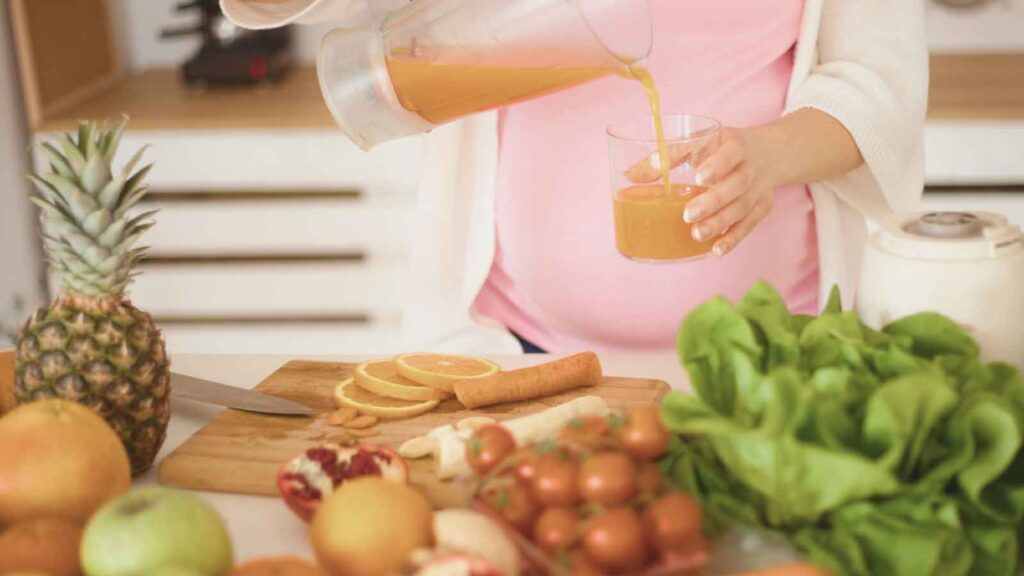
Your pregnancy diet should include a wide variety of nutrient-dense foods. Knowing what not to eat when pregnant is only half the picture. Filling your plate with safe, well-prepared options gives your baby the iron, folate, calcium, protein and omega-3 fatty acids needed for healthy organ, bone and brain development. Your OBGYN can review your dietary patterns at each prenatal visit and flag any gaps.
Safe food categories during pregnancy include:
- Well-cooked meat, poultry and fish prepared to recommended temperatures
- 8 to 12 ounces of low-mercury seafood per week
- Pasteurized dairy products including milk, yogurt and hard cheeses
- Eggs cooked until firm
- Washed fruits and vegetables
- Whole grains, legumes and nuts
- Prenatal vitamins to fill nutritional gaps
Women managing gestational diabetes should work with their OBGYN to balance food safety with blood sugar management.
Food Safety Tips for Your Kitchen
Simple kitchen habits reduce your risk of foodborne illness throughout pregnancy:
- Wash hands for at least 20 seconds before and after handling raw food
- Use separate cutting boards for raw meat and fresh produce
- Do not rinse raw meat or poultry before cooking (this spreads bacteria to nearby surfaces)
- Cook to recommended internal temperatures using a food thermometer
- Refrigerate leftovers within two hours of cooking
When to Call Your OBGYN About a Foodborne Illness
Contact your OBGYN if you develop a fever, persistent vomiting, diarrhea or signs of dehydration during pregnancy. Symptoms of listeriosis can appear up to two months after exposure and may feel like mild flu with fever, muscle aches and fatigue. Even if you do not feel severely ill, certain infections can affect the fetus without causing obvious symptoms in the mother. If you ate a food involved in a recall or outbreak, let your OBGYN know so they can monitor you and determine if testing is needed. Your OBGYN can connect you with high-risk pregnancy care if a foodborne illness requires closer monitoring.
Pregnancy Nutrition Support in Alpharetta, Atlanta, Canton and Cumming
The OBGYNs at Roswell Ob/Gyn, LLC provide prenatal care that includes dietary guidance, nutritional counseling and monitoring for complications related to foodborne exposure. From your first prenatal visit through delivery, the team at Roswell Ob/Gyn, LLC helps you build a safe and balanced eating plan for every stage of pregnancy.
Roswell Ob/Gyn, LLC has offices in Alpharetta, Atlanta, Canton and Cumming. Schedule your prenatal appointment today to get personalized nutrition support for a healthy pregnancy.