
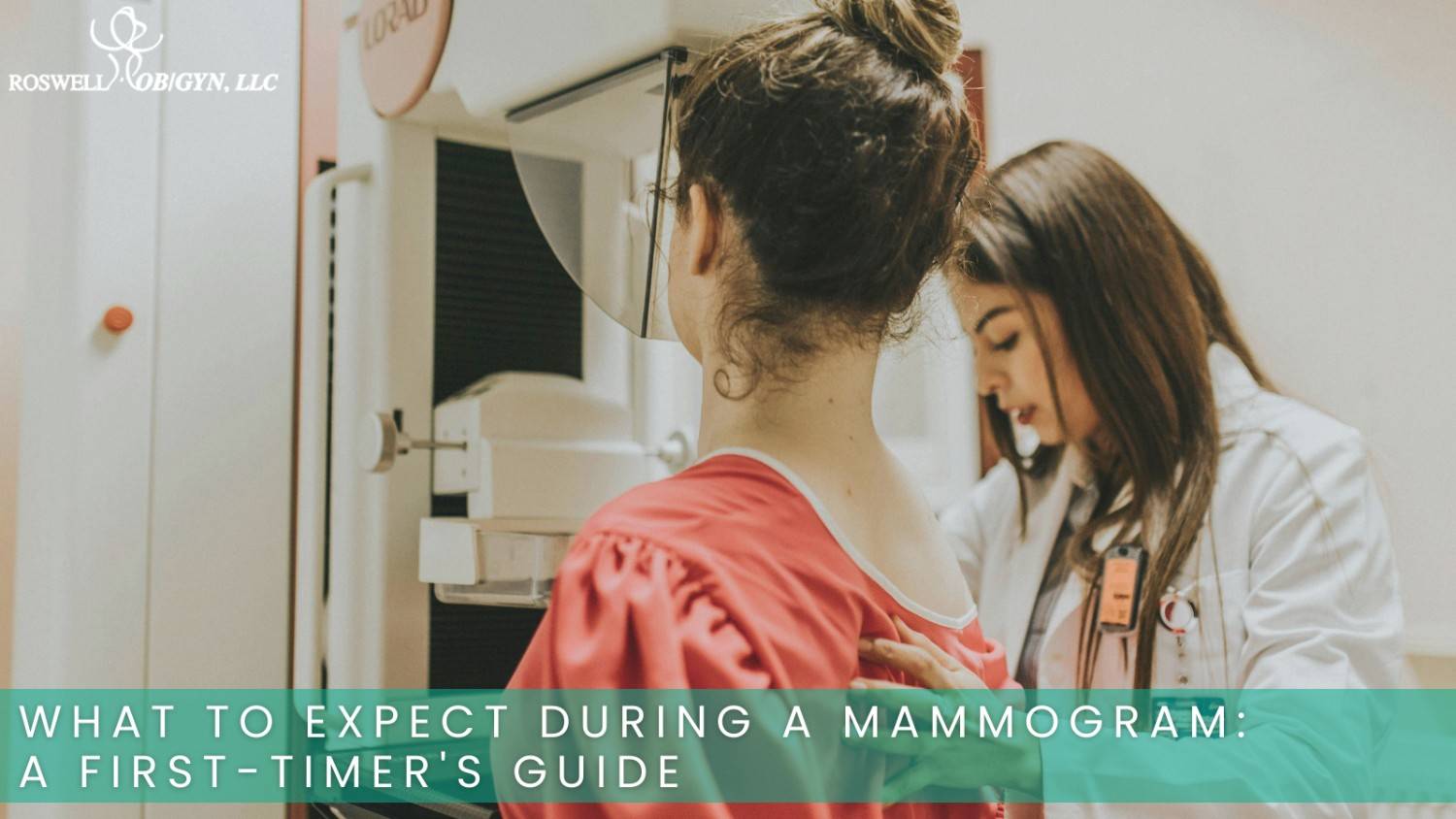
A mammogram is an X-ray of the breast used to detect signs of breast cancer before symptoms appear, and for most women the experience takes 15 to 20 minutes from start to finish. The procedure involves brief compression of the breast tissue that most patients describe as pressure rather than pain. If you have been putting off mammography screening because you are not sure what to expect, this guide walks you through every step, from how to prepare the morning of your appointment to understanding what your results actually mean.
How Should I Prepare for My First Mammogram?
Preparation for a mammogram is straightforward, and a few simple steps on the day of your appointment make the imaging clearer and the experience more comfortable.
What to Wear
Wear a two-piece outfit so you only need to remove your top and bra, not your entire clothing. Avoid underwire bras if possible, as they are bulkier to manage in the imaging room. Comfortable, easy-to-remove tops are the practical choice.
Skip These Products the Morning Of
Do not apply deodorant, antiperspirant, lotion, powder, or perfume to your underarms or breasts on the day of your mammogram. These products contain particles that appear as bright white spots on mammography images, which can mimic calcifications and interfere with a clean read. If you forget and arrive with deodorant on, the technologist will provide wipes with no need to reschedule.
Timing Your Appointment
If you are still menstruating, schedule your mammography screening for the week after your period begins. Breast tissue is least dense and least tender during this window, which makes compression more tolerable. Women who are postmenopausal can schedule at any time.
What to Bring
Bring your insurance card, a photo ID, and the name and address of your previous imaging center if you have had a prior mammogram elsewhere. Radiology staff will request old images for comparison, which helps radiologists identify changes over time. If no prior images exist, that is perfectly fine, as everyone has a first one.
ALSO READ: Can Men Get a Mammogram?
What Happens During a Mammogram, Step by Step?
The actual imaging portion of a mammogram takes only about 10 minutes. Here is exactly what to expect from the moment you arrive.
Arriving and Checking In
After checking in, you will complete a short health history form covering your menstrual status, hormone use, any breast symptoms, prior biopsies, and family history of breast cancer. A mammography technologist (a specialized imaging professional) will escort you to a private changing area where you will remove your top and bra and put on a gown that opens in the front.
Positioning and Compression
The technologist will guide you into position against the mammogram machine. Your breast is placed on a flat support plate, and a compression paddle lowers to press the breast tissue firmly between the two surfaces. Each compression hold lasts approximately 10 seconds while the image is captured, then released.
Four standard views are taken per routine bilateral screening mammogram:
- Craniocaudal (CC) view: from above
- Mediolateral oblique (MLO) view: from the side
Compression is not arbitrary. Flattening the breast tissue serves three purposes:
- Spreads overlapping structures so findings are not obscured
- Reduces the radiation dose needed for a clear image
- Keeps the breast still during exposure
The technologist will let you know exactly when to hold your breath and when to breathe normally.
What the Compression Actually Feels Like
Most women feel pressure and a sensation of tightness during compression, not sharp pain. The discomfort is brief and resolves the moment the paddle releases. Women with fibrocystic or particularly dense breasts may feel more sensitivity, especially around ovulation or just before a period, which is one reason scheduling around your cycle is worth considering. If at any point the compression feels genuinely painful rather than uncomfortable, tell the technologist immediately. The pressure can be adjusted.
What Is the Difference Between a 2D and 3D Mammogram?
Both types of mammogram screen for the same thing, but the technology differs in a clinically meaningful way.
2D Digital Mammogram:
- Captures two flat images of the breast, one from above and one from the side
- Shows all breast tissue layered together in a single image
- Dense tissue can sometimes overlap and obscure findings
- The standard option widely available at most imaging centers
3D Mammogram (Tomosynthesis):
- Takes multiple low-dose X-ray images at different angles
- Reconstructs those images into thin, layered slices similar to how a CT scan works
- Allows radiologists to scroll through individual layers of breast tissue rather than reading a single flat image
- Detects more invasive cancers in women with dense breasts
- Reduces false-positive callback rates compared to 2D imaging alone
Patients who want the most detailed breast imaging available can ask about 3D mammography when scheduling their appointment. An OBGYN can review your breast density, personal history, and risk factors to determine which type of imaging fits your situation best.
When Will I Get My Results, and What Does a Callback Mean?
Mammogram results are typically available within a few business days to one week and sent to both you and your ordering physician. Most facilities also send results directly to patients in writing, and many now offer portal access.
Results are categorized using a standardized system called BI-RADS (Breast Imaging Reporting and Data System), which runs from 0 to 6:
| BI-RADS Score | Meaning | Next Step |
| 0 | Incomplete, additional imaging needed | Callback for more views |
| 1 | Negative, no abnormality found | Routine annual screening |
| 2 | Benign finding, clearly non-cancerous | Routine annual screening |
| 3 | Probably benign | Short-interval follow-up (6 months) |
| 4 | Suspicious | Biopsy recommended |
| 5 | Highly suggestive of malignancy | Biopsy strongly recommended |
| 6 | Known biopsy-proven malignancy | Treatment planning |
A callback (meaning you are asked to return for additional imaging) is one of the most anxiety-provoking parts of mammography screening for first-time patients. The reassuring reality is that roughly 10 percent of women are called back after a screening mammogram, and fewer than 1 in 10 of those callbacks leads to a cancer diagnosis. The majority of callbacks stem from dense or overlapping breast tissue, an image that needs a different angle, or a benign finding that simply needs a second look. Being called back is not a diagnosis. It is a request for more information.
ALSO READ: Signs of Hormonal Imbalance in Women
When Should I Get My First Mammogram, and How Often After That?

ACOG recommends that OBGYNs discuss mammography screening with average-risk women starting at age 40, with annual screening as the standard recommendation beginning at that age. The American Cancer Society aligns with annual screening starting at 40 for women who choose to begin at that age, with the option to start at 45 for those who prefer to wait.
Women at higher risk may need to start earlier and screen more frequently. Higher risk categories include:
- A known BRCA1 or BRCA2 gene mutation
- A first-degree relative (parent, sibling, child) with a BRCA mutation
- A personal history of chest radiation between ages 10 and 30
- A strong family history of breast or ovarian cancer
If any of these apply to you, talk to your OBGYN about a personalized screening plan. An earlier start date, annual 3D mammography, or supplemental MRI screening may be appropriate. You can also read more about breast cancer gene testing and ways to lower your risk for breast cancer beyond imaging.
For a broader look at which screenings belong on your calendar by age, the guide to preventive screenings every woman needs by age group covers the full picture.
Schedule Your First Mammogram at Roswell Ob/Gyn, LLC
Scheduling your first mammogram does not require a referral in most cases. Contact Roswell Ob/Gyn, LLC directly to arrange mammography screening at a time that works for you. A 15-minute appointment is a straightforward step toward the kind of proactive care that gives you reliable information about your breast health year after year.
Frequently Asked Questions
Does a mammogram hurt?
A mammogram is uncomfortable for most women, not painful. The key distinction is that compression lasts only a few seconds per image, and the technologist releases the paddle immediately after each shot. Patients who find the pressure genuinely difficult to tolerate can say so at any point, and adjustments can be made. No one is expected to push through real pain to complete the scan.
Can I get a mammogram if I have breast implants?
Yes. Women with breast implants can and should still receive mammography screening. The technologist will use a modified technique called implant displacement views, where the implant is gently pushed back while the natural breast tissue is pulled forward for imaging. More views are typically taken to cover the full extent of the breast tissue. Let the imaging center know you have implants when scheduling so they can plan the appropriate number of images.
What if I have dense breasts?
Your mammogram report will classify your breast density into one of four categories, from almost entirely fatty to extremely dense. If your results note heterogeneously dense or extremely dense tissue, bring that report to your next OBGYN appointment. Depending on your personal risk profile, your provider may recommend supplemental breast ultrasound in addition to your annual mammography screening to improve detection accuracy.
How long does a mammogram take?
A screening mammogram (the routine annual kind) and a diagnostic mammogram (ordered for a specific symptom or concern) have different timeframes. Routine screenings are designed to move efficiently, and most women are in and out quickly. Diagnostic appointments run longer because the radiologist may review initial images in real time and request additional views or an ultrasound before you leave. When scheduling, ask which type you are booked for so you can plan your morning accordingly.
Should I get a mammogram if I have no family history of breast cancer?
Yes. Most breast cancers (roughly 85 percent) occur in women with no family history of the disease. Family history increases risk, but the absence of it does not eliminate risk. Mammography screening at the recommended intervals is appropriate for all average-risk women regardless of family history. If you are unsure where you fall on the risk spectrum, your OBGYN can complete a brief risk assessment at your annual well-woman exam.