
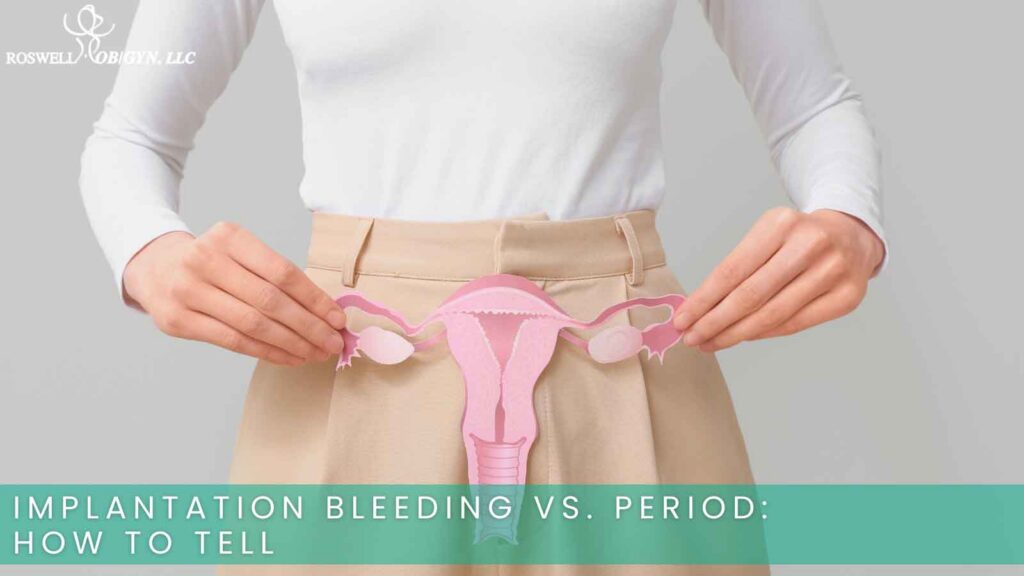
When you notice unexpected spotting, it can be challenging to determine if it signals an early pregnancy or simply an irregular menstrual cycle. Implantation bleeding occurs when a fertilized egg attaches to the uterine lining, typically happening around 10 to 14 days after conception. Understanding the key differences between implantation bleeding and a regular period helps you make informed decisions about your reproductive health and know when to seek guidance from an OBGYN.
What Is Implantation Bleeding and Why Does It Happen?
Implantation bleeding represents one of the earliest signs of pregnancy, yet many women mistake it for a light period or irregular spotting. This type of bleeding occurs as the fertilized egg burrows into the uterine wall, causing minor disruption to small blood vessels in the endometrial lining.
The Biological Process Behind Implantation
After fertilization occurs in the fallopian tube, the developing embryo travels toward the uterus over several days while undergoing rapid cell division. Once it reaches the uterine cavity, the embryo begins to implant into the endometrial lining, which has thickened in preparation for potential pregnancy under the influence of progesterone. This attachment process can disrupt tiny capillaries within the uterine wall, releasing small amounts of blood that may appear as light spotting.
The implantation process typically takes place between 6 and 12 days after ovulation, with most cases occurring around day 9. During this time, the embryo produces specialized enzymes that help it embed deeply into the uterine tissue and establish a connection with the maternal blood supply. Not every woman experiences bleeding during implantation, and those who do may notice only very light spotting that lasts for a few hours or up to three days. The bleeding remains minimal because only small surface vessels are affected during this delicate process.
Why Some Women Experience Bleeding While Others Do Not
The presence or absence of implantation bleeding varies significantly among women and even between different pregnancies in the same woman. Factors that influence implantation bleeding include the depth of implantation, the individual’s uterine lining characteristics, and the distribution of blood vessels in the endometrium.
Women with more vascularized uterine linings may experience slightly more noticeable spotting than those with lower blood vessel density in that area. Your OBGYN specialists can help determine if your bleeding patterns fall within normal ranges or require additional evaluation. The amount of bleeding also depends on how quickly the implantation site heals after the embryo attaches.
Common Timing Patterns for Implantation Bleeding
Implantation bleeding most commonly occurs between days 20 and 26 of a typical 28-day menstrual cycle. This timing often coincides with when women expect their period, creating confusion about the source of the bleeding. The bleeding usually appears a few days to a week before your expected period begins.
Tracking your menstrual cycle carefully provides valuable information to help distinguish implantation bleeding from menstruation. Many women find that implantation bleeding arrives earlier than their typical period start date by several days. If you experience spotting outside your regular cycle pattern, consulting with an OBGYN clinic can help clarify the cause and provide appropriate guidance.
ALSO READ: Menstrual Irregularities: When to Worry and What to Do
Key Physical Differences Between Implantation Bleeding and Menstruation
Recognizing the distinct characteristics of implantation bleeding versus menstrual flow helps you identify what your body is experiencing. Several observable factors differentiate these two types of bleeding, including color, consistency, volume, and duration.
Color and Consistency Comparisons
Implantation bleeding typically appears as light pink or brownish discharge, contrasting with the bright red or dark red color of menstrual blood. The lighter coloration results from the small amount of blood mixing with cervical mucus and from the longer time it takes to exit the body. Brown-tinged spotting indicates older blood that has oxidized before leaving the uterus.
Menstrual blood begins as a fresh, bright red color and may darken as your period progresses. The consistency of menstrual flow tends to be more uniform and liquid, unlike the often watery or mucus-like quality of implantation spotting. Your OBGYN care team can help you understand these visual differences during your reproductive health consultations.
Flow Volume and Duration Differences
The volume difference between implantation bleeding and menstruation remains one of the most distinguishing factors. Implantation bleeding produces only light spotting, often requiring just a panty liner or resulting in minimal discharge when wiping. In contrast, menstrual flow requires regular pad or tampon changes and increases in volume over the first few days.
Duration also differs significantly between these two bleeding types. The following table outlines typical characteristics:
| Characteristic | Implantation Bleeding | Menstrual Period |
| Duration | Few hours to 3 days | 4 to 7 days |
| Flow volume | Very light spotting | Light to heavy flow |
| Color | Light pink or brown | Bright red to dark red |
| Clotting | No clots present | Clots may occur |
| Pad/tampon use | Panty liner only | Regular changes needed |
Understanding these differences empowers you to assess your symptoms better and determine if pregnancy testing or a visit to your OBGYN would be appropriate.
Associated Symptoms That Help Identify the Cause
Physical symptoms accompanying bleeding provide additional clues to help distinguish implantation bleeding from menstruation. Paying attention to what your body experiences alongside the bleeding creates a clearer picture of the underlying cause.
Cramping Patterns and Intensity Levels
Implantation cramping tends to feel milder and more localized than typical menstrual cramps, often affecting only one side of the lower abdomen. Women usually describe implantation discomfort as light twinges, pulling sensations, or mild aching that come and go rather than persist continuously. These sensations result from the uterus responding to the embryo attaching to its lining and typically resolve within one to two days.
Menstrual cramps generally produce more intense, widespread pain that radiates through the lower abdomen and potentially into the lower back and thighs. Period cramps occur due to prostaglandin-triggered uterine contractions that help shed the endometrial lining when pregnancy does not occur. These cramps often peak during the first two days of menstruation and may require pain relief medication for comfort. If you experience severe cramping with any bleeding, seeking evaluation at an OBGYN clinic ensures proper assessment and care.
Early Pregnancy Symptoms to Watch For
Implantation bleeding may accompany other early pregnancy symptoms that menstruation would not produce. These additional signs help confirm a potential pregnancy and guide your next steps:
- Breast tenderness or swelling that feels different than premenstrual changes
- Increased fatigue or unusual tiredness
- Light nausea or food aversions
- Frequent urination
- Heightened sense of smell
- Mild headaches
- Mood changes or emotional sensitivity
- Elevated basal body temperature
Experiencing several of these symptoms, along with light spotting, suggests implantation as the likely cause. OBGYN specialists recommend waiting until the first day of your missed period to take a home pregnancy test for the most accurate results.
ALSO READ: HPV and Cervical Dysplasia: What Is Your Risk?
When to Take a Pregnancy Test for Accurate Results

Timing your pregnancy test correctly ensures you receive reliable results and avoid unnecessary confusion. Testing too early may yield a false negative because hormone levels have not risen sufficiently to be detected.
Understanding hCG Hormone Detection Windows
Human chorionic gonadotropin (hCG) is the hormone that pregnancy tests detect, and the body only produces it after implantation occurs. Following successful implantation, hCG levels begin doubling approximately every 48 to 72 hours. Most home pregnancy tests can detect hCG when levels reach 25 mIU/mL or higher.
Testing on the first day of your missed period provides the best chance of accurate results. Some sensitive tests claim earlier detection, but waiting reduces the likelihood of false negatives. If you receive a negative result but still suspect pregnancy, repeat the test in a few days or schedule an appointment with your OBGYN for blood testing, which detects lower hCG levels than urine tests.
Best Practices for Home Pregnancy Testing
Following proper testing procedures improves accuracy and helps you trust your results. Use the first morning urine sample, as hCG concentration peaks overnight due to overnight accumulation. Read all test instructions carefully, as different brands have varying wait times and result interpretation guidelines.
Consider these testing recommendations for optimal results:
- Wait until at least the first day of your missed period
- Use a test with clear instructions and easy-to-read results
- Follow timing guidelines exactly as specified
- Confirm positive results with your OBGYN care provider
- Repeat negative tests after 3 to 5 days if your period does not arrive
- Store tests properly and check expiration dates before use
Blood tests at your doctor’s office provide the most accurate pregnancy confirmation and can detect pregnancy earlier than home tests.
ALSO READ: The Importance of Chlamydia and Gonorrhea Screening for Young Women
When Bleeding Warrants Medical Attention
Certain bleeding patterns require prompt medical evaluation to rule out complications. Recognizing warning signs helps you seek appropriate care when needed.
Heavy bleeding that soaks through a pad within an hour, severe abdominal pain, dizziness, shoulder pain, or fever requires immediate medical attention. These symptoms could indicate ectopic pregnancy, miscarriage, or other conditions needing urgent treatment. Your OBGYN clinic provides the expertise to evaluate concerning symptoms and determine the appropriate course of action.
Bleeding that persists beyond three days with increasing intensity also warrants professional evaluation. Your healthcare provider can perform examinations, ultrasound imaging, and blood testing to identify the cause. Do not hesitate to contact your OBGYN specialists with questions about unusual bleeding patterns.
Tracking Your Cycle for Better Reproductive Health Awareness
Maintaining detailed records of your menstrual cycle helps you identify patterns and notice changes that may indicate pregnancy. This information proves valuable when consulting with healthcare providers about fertility or cycle irregularities.
Recording cycle start dates, duration, flow characteristics, and accompanying symptoms creates a comprehensive picture of your reproductive health. Many smartphone applications offer convenient cycle tracking with features that predict ovulation and fertile windows. Sharing this information with your OBGYN care team during appointments facilitates more productive discussions about your health goals.
Women with regular cycles can more readily identify potential implantation bleeding based on timing alone, since spotting occurring earlier than expected stands out clearly. Those with irregular cycles benefit from consistent tracking that helps establish personal baselines over several months.
Schedule Your Consultation at Roswell Ob/Gyn, LLC
Distinguishing between implantation bleeding and a regular period becomes easier when you understand the key differences in timing, appearance, duration, and accompanying symptoms. Light pink or brown spotting lasting fewer than three days, occurring slightly before your expected period, and accompanied by mild cramping and early pregnancy symptoms, suggests implantation as the likely cause. Heavier, longer-lasting, bright red bleeding with more intense cramping typically indicates menstruation.
If you suspect pregnancy or have questions about unusual bleeding patterns, the experienced team at Roswell Ob/Gyn, LLC provides comprehensive gynecological services and prenatal care to support you through every stage of your reproductive journey. Our OBGYN providers offer personalized guidance based on your unique health history and goals. To learn more about first-trimester bleeding or schedule an evaluation, contact our office today to book your appointment with our caring team.