
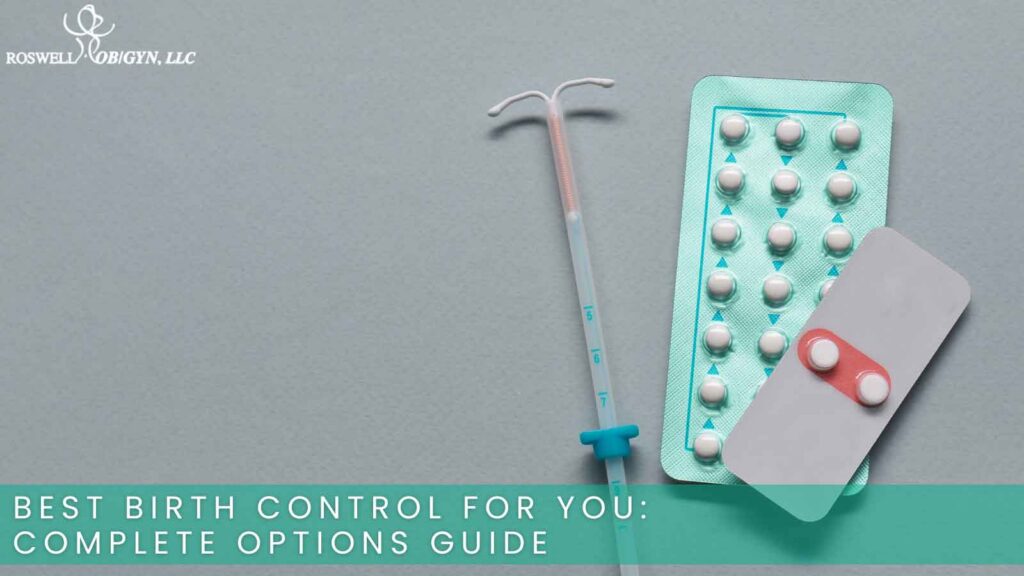
Choosing the proper birth control method is a personal decision that depends on your health history, lifestyle, and reproductive goals. With so many options available, understanding how each method works can help you make an informed choice. When you speak with an OBGYN, you receive personalized guidance tailored to your unique needs. Consulting with OBGYN specialists ensures comprehensive support for your contraceptive journey.
Understanding How Birth Control Works
Birth control methods prevent pregnancy through different mechanisms, including stopping ovulation, blocking sperm, or preventing implantation. The proper method for you depends on factors like effectiveness requirements, convenience, and potential side effects. Receiving OBGYN care involves discussing these options thoroughly so you can select a method that fits your lifestyle and health needs.
Hormonal Methods and Their Function
Hormonal birth control works by releasing synthetic versions of estrogen and progestin into your body. These hormones prevent ovulation, thicken cervical mucus to block sperm, and thin the uterine lining to prevent implantation.
Standard hormonal methods include pills, patches, rings, injections, and hormonal intrauterine devices (IUDs). Each option delivers hormones differently and requires varying levels of maintenance. Discussing your medical history with a trusted OBGYN can help determine whether hormonal methods are safe for you.
Non-Hormonal Methods and Their Function
Non-hormonal options provide pregnancy prevention without affecting your natural hormone levels. These methods work by creating physical barriers, using chemical spermicides, or releasing copper ions that create an inhospitable environment for sperm.
The copper IUD stands as the most effective non-hormonal option, lasting up to 10 years. Barrier methods like condoms and diaphragms offer on-demand protection without hormones. Women who experience hormonal sensitivities or have certain medical conditions often benefit when discussing non-hormonal choices at their OBGYN clinic visits.
Permanent Contraception Options
Permanent contraception, also called sterilization, provides lifelong pregnancy prevention for people certain they do not want future pregnancies. These procedures include tubal ligation and bilateral salpingectomy for women.
Tubal ligation involves closing, cutting, or removing portions of the fallopian tubes to prevent eggs from reaching the uterus. Bilateral salpingectomy removes the fallopian tubes entirely and may reduce ovarian cancer risk. OBGYN specialists can discuss candidacy criteria and help you understand this permanent decision.
Long-Acting Reversible Contraceptives (LARCs)
Long-acting reversible contraceptives offer highly effective pregnancy prevention lasting several years without daily maintenance. These set-it-and-forget-it options include intrauterine devices and contraceptive implants. Many OBGYN clinic providers recommend LARCs for their convenience and superior effectiveness rates.
H3: Intrauterine Devices (IUDs)
IUDs are small, T-shaped devices inserted into the uterus during an office visit. Hormonal IUDs like Mirena, Liletta, and Kyleena release progestin locally and can last three to eight years, depending on the type. The copper IUD, Paragard, contains no hormones and protects for up to 10 years.
| IUD Type | Duration | Hormonal | Key Features |
| Mirena | Up to 8 years | Yes | May reduce heavy bleeding |
| Kyleena | Up to 5 years | Yes | Lower hormone dose |
| Liletta | Up to 8 years | Yes | Similar to Mirena |
| Paragard | Up to 10 years | No | Hormone-free option |
Both hormonal and non-hormonal IUDs boast effectiveness rates exceeding 99%. After removal, fertility returns quickly, often within one menstrual cycle. Learn more about choosing between IUD types by discussing your preferences with your provider.
Contraceptive Implants
The contraceptive implant, Nexplanon, is a matchstick-sized rod inserted under the skin of your upper arm. It releases progestin continuously for up to three years and prevents pregnancy with over 99% effectiveness.
Implant insertion takes only a few minutes during an office appointment, and the device works immediately if placed within 5 days of the start of your period. Some women experience irregular bleeding patterns initially, which often improves over time. Your OBGYN provider can determine if the implant suits your health profile and lifestyle needs.
Short-Acting Hormonal Methods
Short-acting hormonal methods require more frequent attention but offer flexibility and control over your contraception. These options include daily pills, weekly patches, and monthly rings. Visiting your OBGYN clinic regularly helps ensure you receive prescription renewals and monitoring for any side effects.
Combined Oral Contraceptives
Birth control pills containing both estrogen and progestin are taken daily at the same time for maximum effectiveness. When used ideally, pills are 99% effective; in typical use, about 91% effectiveness is achieved due to missed doses.
Pills offer benefits beyond pregnancy prevention, including lighter periods, reduced acne, and decreased menstrual cramps. Certain health conditions like a history of blood clots, migraines with aura, or smoking over age 35, may make combined pills unsuitable. Your OBGYN specialists can recommend the proper pill formulation based on your individual health factors.
Patches and Vaginal Rings
The contraceptive patch (Xulane) adheres to your skin and releases hormones transdermally each week for three weeks, followed by one patch-free week. The vaginal ring (NuvaRing or Annovera) sits inside the vagina and releases hormones continuously.
| Method | Application | Duration | Considerations |
| Patch | Weekly on skin | 3 weeks on, 1 week off | May be less effective over 198 lbs |
| NuvaRing | Monthly insertion | 3 weeks in, 1 week out | Refrigerate before use |
| Annovera | Yearly prescription | 3 weeks in, 1 week out | Reusable for one year |
Both methods deliver similar effectiveness as pills when used correctly. Women who struggle with daily pill reminders often find patches and rings more convenient. Discussing your routine with your provider helps identify the best short-acting option.
Contraceptive Injections
Depo-Provera is an injectable progestin-only contraceptive given every 12 to 13 weeks. Each shot provides three months of pregnancy prevention with 94% typical-use effectiveness.
Injections offer complete privacy since no device or daily action is required. Some women experience weight gain, irregular bleeding, or mood changes. Bone density loss can occur with long-term use, so your OBGYN may recommend calcium and vitamin D supplements. Regular appointments at your OBGYN clinic ensure timely injections and health monitoring.
Barrier Methods and Their Effectiveness
Barrier methods physically prevent sperm from reaching the egg, without the use of hormones. These options work on-demand and require action at or around the time of intercourse. OBGYN care includes education on proper use of barrier methods to maximize effectiveness.
Male and Female Condoms
Male condoms are the most accessible barrier method, available without a prescription at most stores. They prevent pregnancy with 87% typical-use effectiveness and provide the added benefit of protecting against sexually transmitted infections (STIs).
Female condoms (internal condoms) are inserted into the vagina before intercourse and offer similar STI protection. Both types require correct use with each act of intercourse for maximum effectiveness. Talking with your OBGYN helps you understand proper technique. Many OBGYN specialists recommend pairing condoms with another method for enhanced pregnancy prevention.
Diaphragms and Cervical Caps
Diaphragms are shallow, dome-shaped cups inserted into the vagina before intercourse to cover the cervix. They require fitting by a healthcare provider and must be used with spermicide. Cervical caps work similarly but fit more snugly over the cervix.
Both methods offer 71-88% effectiveness depending on prior pregnancies and proper use. Diaphragms and cervical caps require planning and must remain in place for six to eight hours after intercourse. Visiting your OBGYN allows proper fit assessment and instruction on correct insertion techniques during your appointment.
Choosing the Right Method for Your Lifestyle

Selecting birth control involves evaluating multiple factors beyond just preventing pregnancy. Consider your daily routine, future family planning goals, menstrual symptoms, and any medical conditions. OBGYN care appointments provide opportunities to discuss all these elements comprehensively.
Factors to Consider
Your lifestyle plays a significant role in the success of contraceptives. Ask yourself these questions when evaluating options:
- Can you remember to take a pill at the same time daily?
- Do you want lighter periods or none at all?
- Are you planning a pregnancy within the next few years?
- Do you have any hormonal sensitivities?
- Is STI protection a priority for you?
Medical history also influences method selection. Women with certain conditions may need to avoid estrogen-containing options. Managing conditions like PCOS may affect which birth control methods work best. Comprehensive OBGYN clinic evaluations ensure you choose safely.
Balancing Effectiveness and Side Effects
Highly effective methods like IUDs and implants work well for those prioritizing pregnancy prevention. Less effective barrier methods suit those comfortable with a higher pregnancy risk or who prefer hormone-free options.
Side effects vary by method and individual response. Common considerations include changes in bleeding pattern, mood effects, and weight fluctuations. Starting with a trial period helps determine how your body responds. Your OBGYN specialists can adjust your method if side effects become bothersome, ensuring you find a comfortable long-term solution.
When to Talk to Your OBGYN About Birth Control
Schedule a contraception consultation when starting a new relationship, after having a baby, or if your current method no longer meets your needs. Women approaching perimenopause should also discuss continued contraception needs, as pregnancy remains possible until menopause is confirmed.
Annual well-woman exams provide ideal opportunities to review your birth control satisfaction and address any concerns. Changes in your health, new medications, or evolving family planning goals all warrant birth control discussions. Consulting your OBGYN helps reassess your needs and recommend adjustments to keep your reproductive health on track.
Schedule Your Birth Control Consultation Today
Finding the best birth control method empowers you to take control of your reproductive health with confidence. The providers at Roswell Ob/Gyn, LLC offer personalized OBGYN care that considers your unique health profile, lifestyle, and goals. Their experienced team takes time to explain all options, answer your questions, and help you make an informed decision.
Request an appointment at Roswell Ob/Gyn, LLC to discuss birth control options with knowledgeable OBGYN specialists who prioritize your comfort and well-being. Taking the next step toward confident contraception starts with scheduling your consultation today.