
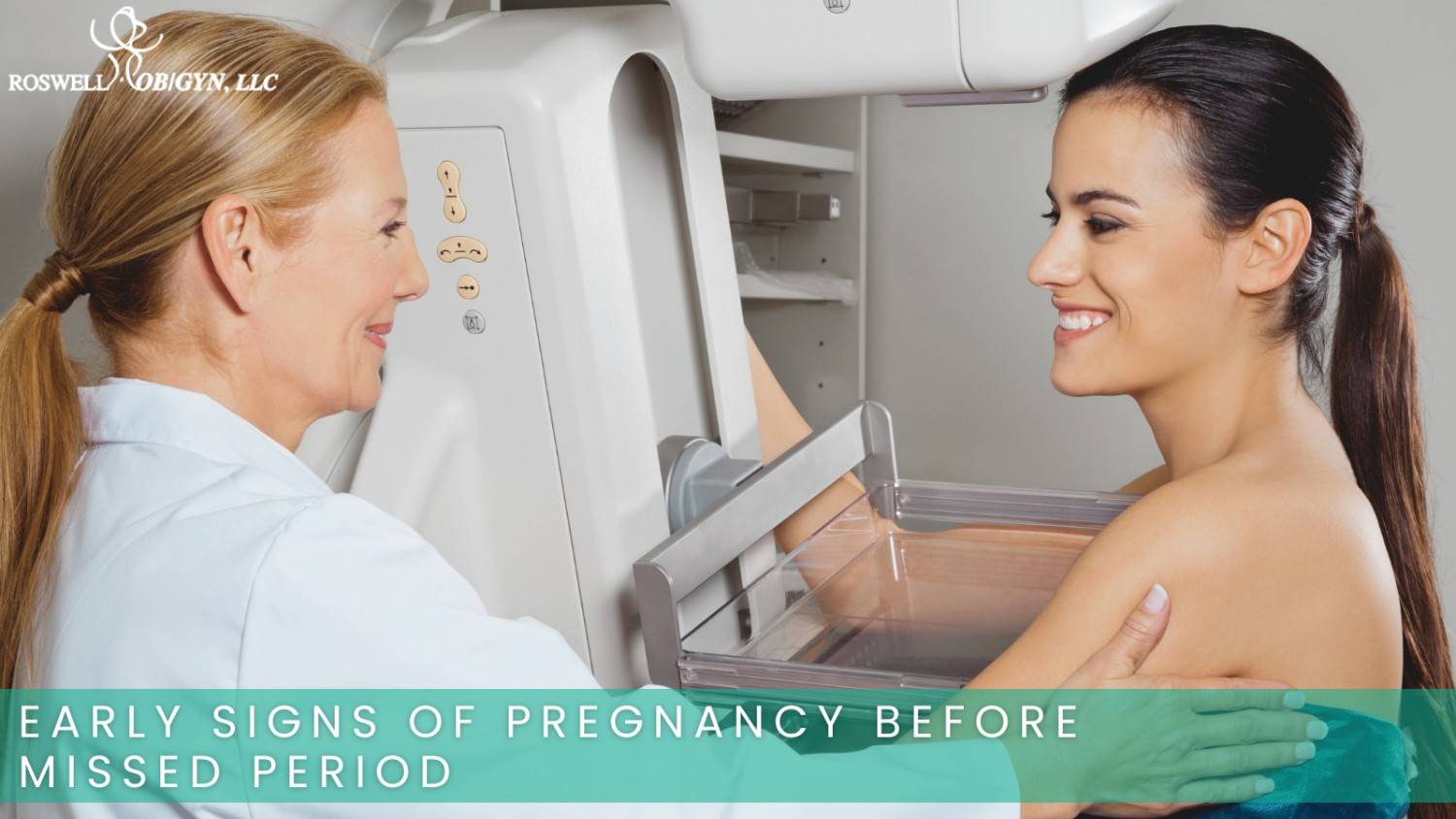
For most women, 3D mammography is worth it. Research consistently shows that 3D mammograms detect significantly more cancers than standard 2D imaging and reduce the rate of unnecessary callbacks. The core difference is in how each technology reads breast tissue: a 2D mammogram stacks all tissue into a single flat image, while 3D mammography (also called tomosynthesis) separates that tissue into thin, scrollable slices that radiologists can examine layer by layer. This post breaks down how each type works, who benefits most, what the research says about detection rates and how to decide which option is right for your next screening.
What Is the Difference Between a 2D and 3D Mammogram?
Both a 2D and a 3D mammogram rely on low-dose X-ray technology and require the same breast compression. The screening experience feels identical for the patient. The difference comes down to how each machine captures and processes the images after the X-ray beam passes through the tissue.
How 2D Mammography Works
A standard 2D mammogram captures two flat X-ray images of each breast: one from above (the craniocaudal or CC view) and one from the side (the mediolateral oblique or MLO view). The breast is compressed between two plates to spread the tissue thin, and a single X-ray beam passes through to produce each image. Radiologists read those two static images to look for masses, calcifications or structural changes that may signal a problem.
2D mammography has served as the standard breast cancer screening method for decades. Key points about 2D screening:
- The process takes about 20 minutes from start to finish
- Most insurance plans and Medicare cover annual or biennial 2D mammography screening based on ACOG and USPSTF guidelines
- Works well for women with fatty breast tissue (BI-RADS categories A and B), where abnormalities stand out clearly against the darker background
- Decades of research confirm that routine 2D mammography reduces breast cancer mortality in women ages 40 and older
The primary limitation is tissue overlap. Because the X-ray compresses three-dimensional breast tissue into a flat image, layers of tissue stack on top of each other. That overlap can hide small cancers behind dense tissue (false negatives) or make overlapping normal tissue look suspicious when nothing is wrong (false positives). For women with dense breasts (BI-RADS categories C and D), this limitation becomes especially significant.
How 3D Mammography (Tomosynthesis) Works
A 3D mammogram uses the same low-dose X-ray technology and breast compression as a standard 2D mammogram, but the machine captures images differently. The X-ray arm rotates in a short arc around the breast, taking multiple exposures at different angles in a single pass. A computer reconstructs those exposures into thin slices, typically one millimeter thick, that radiologists scroll through individually. The FDA approved digital breast tomosynthesis (DBT) for screening use in 2011.
The layer-by-layer view directly addresses the tissue overlap problem that limits 2D imaging:
- Radiologists isolate individual tissue layers and examine each one without interference from surrounding structures
- Small masses, architectural distortions and clusters of calcifications that blend into the background on a flat 2D image become visible in separate slices
- Women with dense breasts see the greatest diagnostic benefit from this separation
Many facilities now pair a 3D mammography scan with a synthetic 2D image generated directly from the 3D data. The synthetic image gives radiologists a familiar flat view for comparison while the full tomosynthesis dataset provides layer-by-layer analysis. Producing the 2D image from existing 3D data removes the need for a separate 2D exposure. The appointment itself takes roughly the same amount of time and the compression feels the same for the patient.
Who Benefits Most from 3D Mammography?
3D mammography delivers the greatest benefit to women whose breast tissue is most likely to hide findings on a flat 2D image. That said, it offers measurable advantages across all risk categories.
Women with Dense Breast Tissue
Breast density is classified into four BI-RADS categories:
| BI-RADS Category | Description | Approximate Prevalence |
| A | Almost entirely fatty | 10% of women |
| B | Scattered fibroglandular density | 40% of women |
| C | Heterogeneously dense | 40% of women |
| D | Extremely dense | 10% of women |
Women in categories C and D (roughly 50 percent of all women) have dense tissue that appears white on a mammogram image, the same shade as many abnormalities. A 2D mammogram stacks that tissue into a single plane, making it significantly harder to spot what lies beneath. 3D mammography separates those layers, giving radiologists a clearer view of what is tissue and what may require attention. For women with dense breasts, the case for 3D mammography is particularly strong.
Women at Higher Risk
Women with a known BRCA1 or BRCA2 gene mutation, a strong family history of breast or ovarian cancer, or a personal history of chest radiation before age 30 benefit from the most sensitive screening available. 3D mammography as part of an annual screening protocol improves early detection in this group. Your OBGYN can assess your personal risk profile and recommend breast cancer gene testing if your history warrants it.
Average-Risk Women
3D mammography is not exclusively a high-risk tool. Studies show it detects more invasive cancers and reduces callbacks in average-risk women as well. A large-scale analysis published in JAMA Oncology found that tomosynthesis increased invasive cancer detection and reduced recall rates regardless of breast density or risk category. The benefit may be less pronounced than in dense-breast patients, but the research consistently supports its use across the full screening population.
How Do Detection Rates Compare Between 2D and 3D Mammography?
The research on 3D mammography performance is substantial and consistently favors tomosynthesis over 2D alone.
In studies involving more than one million women, 3D mammograms detected 5.3 cancers per 1,000 women screened compared to 4.5 per 1,000 for standard 2D mammography. That translates to approximately 40 percent more invasive cancers found, and those cancers are typically caught at earlier, more treatable stages. Many of those additional cancers are stage I invasive tumors, the stage at which treatment options are broadest and outcomes are most favorable.
The reduction in false-positive callbacks is equally significant. Studies show 3D mammography reduces recall rates by 15 to 30 percent compared to 2D imaging alone. A callback after a screening mammogram is one of the most anxiety-inducing experiences patients report, and the majority of callbacks do not lead to a cancer diagnosis. Fewer unnecessary recalls mean fewer follow-up procedures, less patient anxiety, and lower downstream imaging costs.
Neither modality is perfect. 3D mammography still misses some cancers, and supplemental breast ultrasound or MRI may be recommended for women at very high risk or with extremely dense tissue. You can read more about ways to lower your overall breast cancer risk beyond imaging alone.
Is 3D Mammography Safe? What About Radiation?

Radiation exposure is a common concern for patients considering 3D mammography, and the answer is reassuring.
A standard 2D mammogram delivers approximately 1.5 milligray (mGy) of radiation per view. A 3D mammogram delivers slightly more, approximately 2 to 2.5 mGy, because the X-ray arm takes multiple passes rather than a single static exposure. Both are well within the FDA-approved safety threshold for mammography screening, which limits mean glandular dose to 3 mGy per exposure.
When facilities use the combined 3D mammography plus synthetic 2D approach (generating a 2D image from the 3D data rather than taking a separate 2D scan), the total radiation dose is comparable to a standard 2D mammogram alone. The incremental radiation from annual 3D mammography screening is comparable to the natural background radiation a person is exposed to over a few weeks of daily life.
For women starting annual mammography screening at age 40, the cumulative radiation exposure over a lifetime of screenings remains well below levels associated with increased cancer risk. Annual screening recommendations from ACOG and the American Cancer Society account for this cumulative exposure in their guidance.
Schedule Your Mammography Screening at Roswell Ob/Gyn, LLC
3D mammography detects more cancers, reduces unnecessary callbacks, and provides a clearer picture of breast tissue than standard 2D imaging. Contact Roswell Ob/Gyn, LLC to schedule your mammography screening and ask about 3D mammography availability at your appointment. Early detection remains the most reliable path to the best possible outcomes in breast cancer care.
Frequently Asked Questions
What happens if my facility only offers 2D mammography?
A 2D mammogram is still an effective screening tool and far preferable to skipping screening altogether. If your current facility does not offer 3D mammography and you have dense breasts, a history of callbacks, or elevated risk, it is reasonable to ask your OBGYN about facilities in your area that provide tomosynthesis. For a broader look at which screenings belong on your calendar and when, the guide to preventive screenings every woman needs by age group provides a useful starting point.
Can I request a 3D mammogram instead of a 2D?
Yes. At most facilities that offer 3D mammography, patients can request tomosynthesis when scheduling their appointment. Some facilities default to 3D for all patients; others offer it as an option alongside standard 2D. Calling ahead to confirm availability and your insurance coverage before your appointment is the most practical approach. If you are unsure which type is right for your situation, your OBGYN can review your breast density and personal history at your annual well-woman exam and make a specific recommendation.
Will I need a follow-up ultrasound after a 3D mammogram?
Not routinely. A 3D mammogram reduces the rate of unnecessary callbacks precisely because it provides clearer, more detailed images than 2D alone. Most women receive their results and return for their next annual screening with no additional imaging needed. Supplemental breast ultrasound may be recommended for women with extremely dense breasts (BI-RADS category D) or those at high risk, regardless of mammogram type. Your radiologist’s report will note your breast density and flag any findings that warrant further evaluation.
Is 3D mammography the same as a 4D ultrasound?
No. 3D mammography and a 4D ultrasound are entirely different technologies used for different purposes. 3D mammography (tomosynthesis) uses low-dose X-ray to screen for breast cancer in non-pregnant patients. A 4D ultrasound uses sound waves to produce real-time moving images and is primarily used during pregnancy to visualize fetal development. The two procedures share no overlap in clinical application, equipment, or patient population.
Should I get a 3D mammogram if I am at average risk?
The data support 3D mammography for average-risk women. Detection rates are higher and callback rates are lower even in patients without dense breasts or elevated genetic risk. The decision comes down to availability and coverage at your chosen facility. If 3D mammography is offered at no additional cost through your insurance, there is no clinical reason to choose 2D over 3D. If there is an out-of-pocket cost, discussing your personal breast density and history with your OBGYN gives you the information needed to decide if the upgrade is worth the incremental expense for your specific situation.